I. Introduction
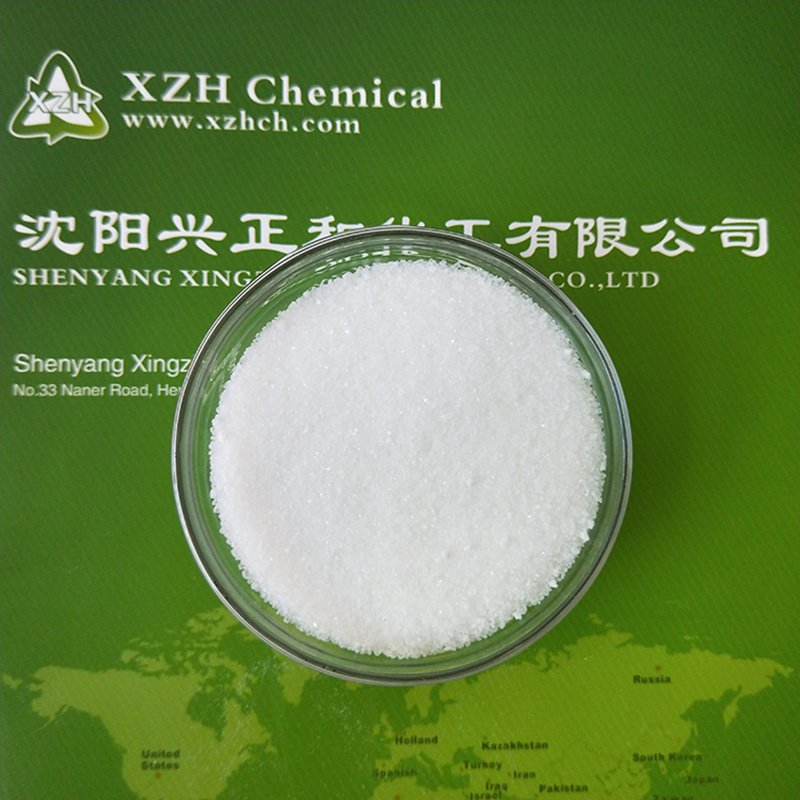
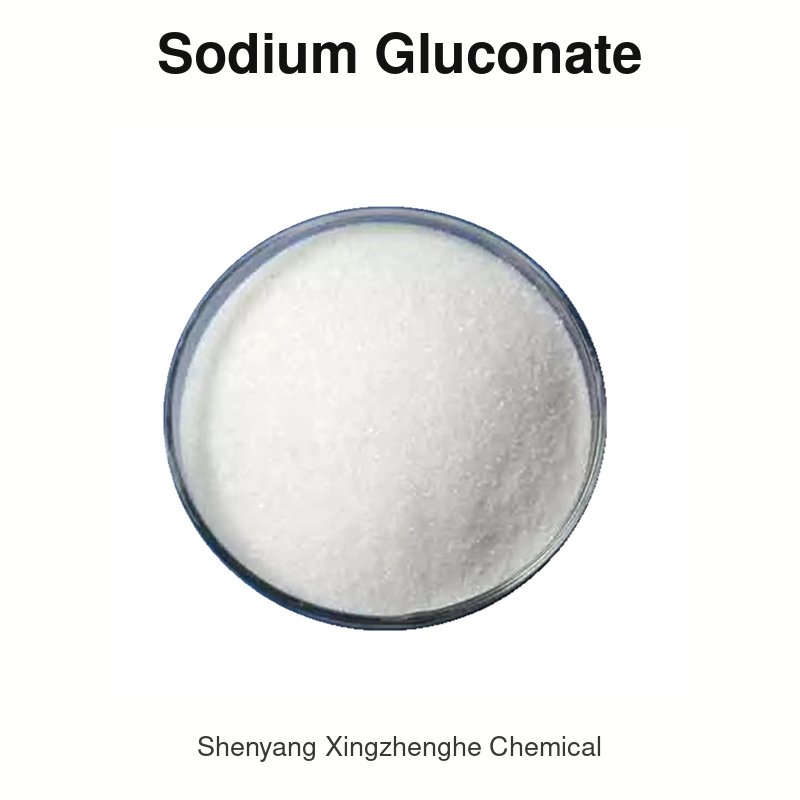
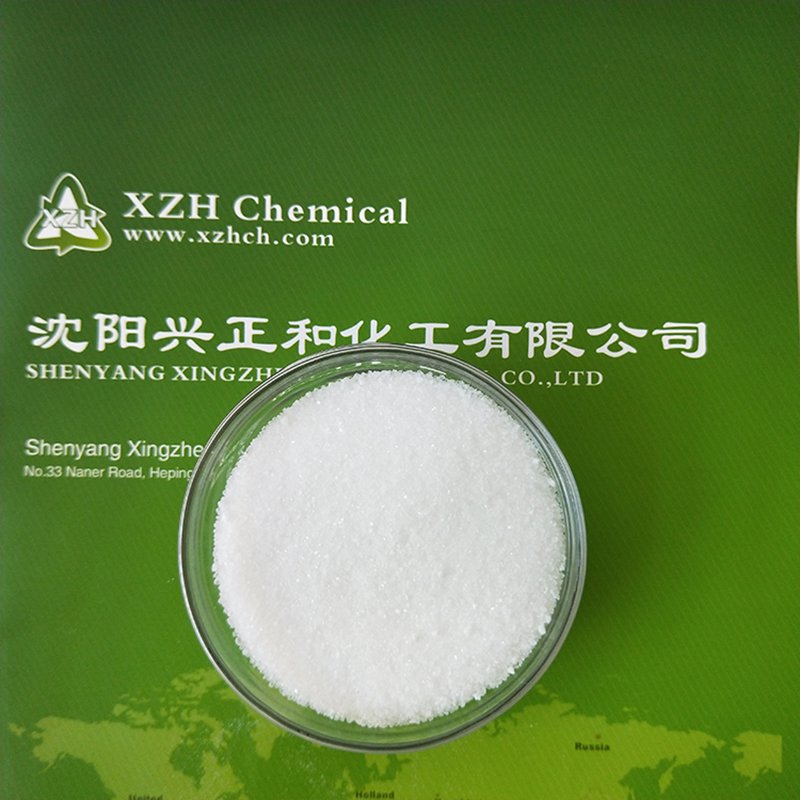
Sodium gluconate is the sodium salt of gluconic acid, produced through the fermentation of glucose. It appears as a white to off-white crystalline powder or granular material, with excellent water solubility and a range of functional properties that make it valuable across multiple industries.
Unlike many chemical additives that serve a single purpose, sodium gluconate offers a combination of properties including chelation, dispersion, retardation, and corrosion inhibition. These characteristics have enabled its widespread use in concrete admixtures, metal surface treatment, industrial cleaning, water treatment, and various other applications.
II. Basic Properties
Sodium gluconate has the molecular formula C₆H₁₁NaO₇ and a molecular weight of approximately 218.14 g/mol. Its key properties include:
-
Appearance: White to off-white crystalline powder or granules
-
Solubility: Highly soluble in water, with solubility increasing with temperature
-
Stability: Stable under normal storage conditions, resistant to oxidation
-
Chelating ability: Forms stable complexes with calcium, iron, copper, aluminum, and other metal ions
-
Biodegradability: Readily biodegradable in the environment
-
Non-toxicity: Low toxicity, safe for handling and use
The chelating ability of sodium gluconate is particularly notable. Unlike many other chelating agents, sodium gluconate remains effective over a wide pH range and maintains its chelating capacity even under alkaline conditions.
III. Main Industry Applications
1. Concrete Admixtures
Sodium gluconate is widely used in the concrete industry as a retarder and water-reducing admixture.
In concrete applications, sodium gluconate works by adsorbing onto cement particles and delaying the hydration reaction. This retardation effect provides several benefits:
-
Extended setting time: Allows more time for transportation, placement, and finishing of concrete
-
Improved workability retention: Maintains concrete fluidity over extended periods
-
Enhanced strength development: In appropriate dosages, can contribute to improved later-age strength
-
Heat of hydration control: Helps manage temperature rise in mass concrete placements
Sodium gluconate is often used in combination with other admixtures such as superplasticizers to achieve balanced performance. Its typical dosage ranges from 0.02% to 0.10% of cement weight, depending on the required retardation period and ambient conditions.
Application scenarios:
-
High-temperature summer construction
-
Long-distance concrete transport
-
Mass concrete pours
-
Large-scale foundation placements
2. Metal Surface Treatment
In metal processing and finishing industries, sodium gluconate serves as a chelating agent and corrosion inhibitor.
Aluminum surface treatment: Sodium gluconate is used in aluminum etching and cleaning processes. It helps control the etching rate, prevents sludge formation, and improves surface finish quality. Its chelating action binds with aluminum ions, preventing them from interfering with the treatment bath.
Steel cleaning and degreasing: In industrial metal cleaning formulations, sodium gluconate enhances the removal of rust, scale, and contaminants. Its ability to sequester iron ions improves cleaning efficiency and prevents re-deposition of removed particles.
Corrosion inhibition: Sodium gluconate provides corrosion protection for metal surfaces by forming a protective film. It is particularly effective in neutral to alkaline environments.
Electroplating: In electroplating baths, sodium gluconate helps maintain bath stability by chelating metal ions and preventing unwanted precipitation.
3. Industrial Cleaning
Sodium gluconate is a key component in many industrial and institutional cleaning products.
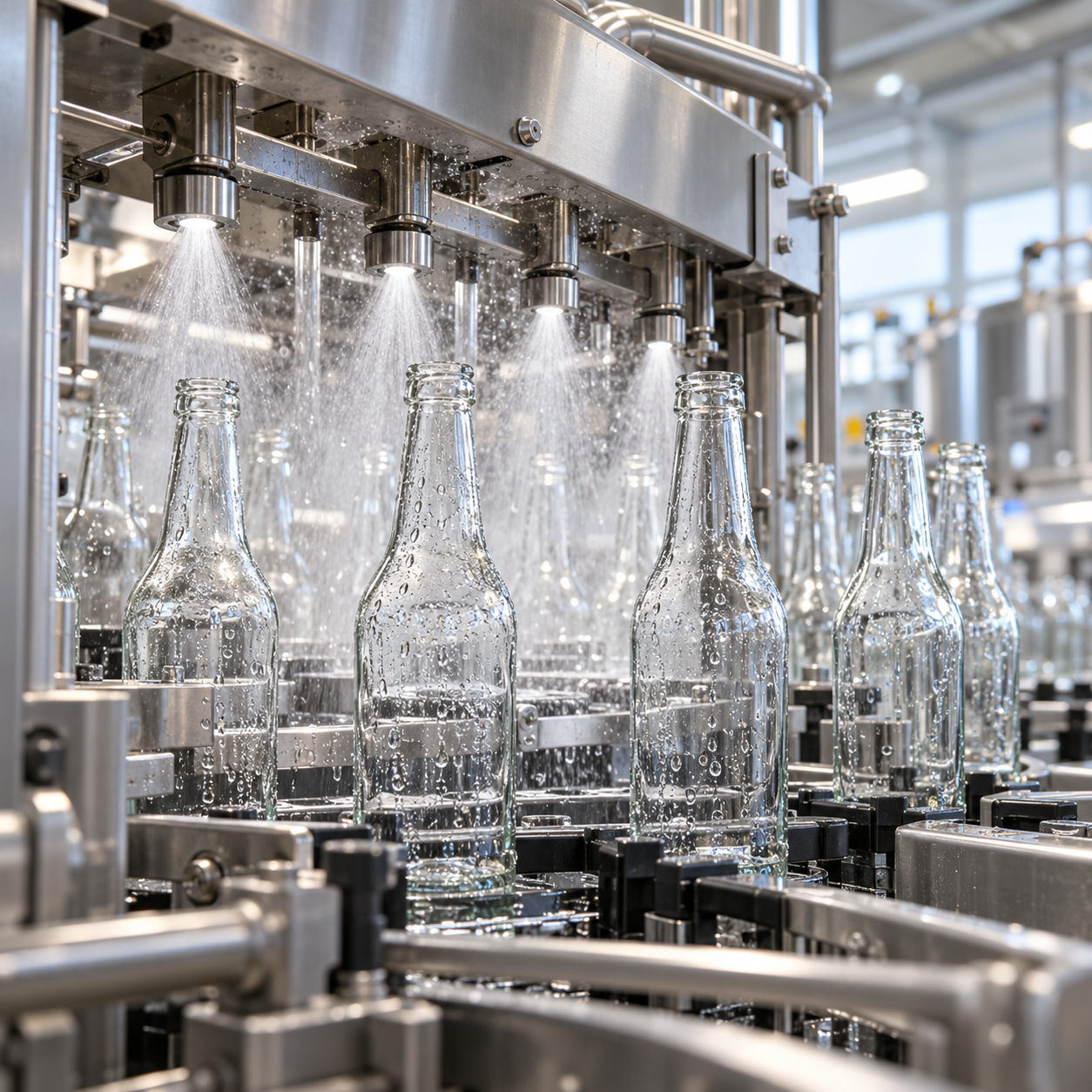
Bottle washing: In beverage and dairy industries, sodium gluconate is used in bottle washing formulations. Its chelating action removes calcium and magnesium deposits (scale) from glass and equipment surfaces, ensuring clean, streak-free results.
General industrial cleaning: Sodium gluconate enhances the performance of alkaline cleaners by:
-
Sequestering hardness ions to prevent scale formation
-
Dispersing soil particles
-
Improving rinseability
-
Preventing redeposition of removed soils
Food and beverage equipment cleaning: Due to its low toxicity and biodegradability, sodium gluconate is suitable for cleaning equipment used in food processing applications.
4. Water Treatment
In water treatment applications, sodium gluconate functions as a scale inhibitor and corrosion inhibitor.
Cooling water systems: Sodium gluconate helps prevent scale formation in cooling towers and heat exchangers by chelating calcium and other hardness ions. It also provides corrosion protection for metal components.
Boiler water treatment: In boiler systems, sodium gluconate contributes to scale control and corrosion inhibition, helping maintain system efficiency and extending equipment life.
Reverse osmosis systems: Sodium gluconate is sometimes used as a scale inhibitor in reverse osmosis water treatment applications.
5. Textile and Dyeing Industries
In textile processing, sodium gluconate serves as a chelating agent and dispersant.
Dyeing processes: Sodium gluconate helps prevent metal ions from interfering with dye uptake. By chelating calcium, magnesium, and other metal ions in the dye bath, it improves color consistency and dyeing uniformity.
Printing and finishing: In textile printing and finishing operations, sodium gluconate contributes to the stability of processing baths and helps achieve consistent results.
6. Leather Processing
Sodium gluconate is used in leather tanning and finishing processes.
Pickling and tanning: In leather processing, sodium gluconate helps control the pickling process and enhances the penetration of tanning agents. Its chelating action prevents metal salt precipitation, resulting in more uniform leather quality.
Leather finishing: Sodium gluconate contributes to the stability of finishing formulations and helps achieve consistent coating application.
7. Food and Beverage Industry
While this article focuses on industrial applications, it is worth noting that sodium gluconate has approved uses in food and beverage applications in many regions, where it functions as a sequestrant and acidity regulator.
Food safety: Food-grade sodium gluconate is subject to strict purity standards and approved for use in various food products.
IV. Selection and Usage Guidelines
1. Purity Grades
Sodium gluconate is available in various purity grades:
-
Technical grade: Suitable for concrete admixtures, industrial cleaning, and general industrial applications
-
Food grade: Required for food and beverage applications, subject to stricter purity standards
-
Pharmaceutical grade: For pharmaceutical and specialized applications
2. Dosage Considerations
Appropriate dosage varies by application:
| Application | Typical Dosage Range |
|---|---|
| Concrete admixtures | 0.02% – 0.10% of cement weight |
| Metal treatment baths | 0.1% – 2.0% of solution weight |
| Cleaning formulations | 1% – 10% of formulation weight |
| Water treatment | 1 – 20 mg/L |
The dosage is for reference only. The actual dosage should be determined through experimentation.
3. Compatibility
Sodium gluconate is generally compatible with:
-
Alkaline materials
-
Other chelating agents
-
Surfactants (anionic, non-ionic)
-
Most common industrial additives
It should be tested for compatibility when used with strong oxidizing agents or in formulations with extreme pH conditions.
4. Storage and Handling
-
Store in a cool, dry place
-
Keep containers tightly sealed to prevent moisture absorption
-
Avoid contact with strong oxidizing agents
-
Use appropriate personal protective equipment during handling
V. Conclusion
Sodium gluconate is a versatile additive that serves multiple functions across various industries. Its combination of chelating ability, retardation effect, corrosion inhibition, and environmental compatibility makes it a valuable component in concrete admixtures, metal treatment processes, industrial cleaning formulations, and many other applications.
The diverse applications of sodium gluconate reflect its functional versatility. Whether used to control concrete setting time, prevent scale in water systems, enhance metal surface treatment, or improve cleaning efficiency, sodium gluconate delivers reliable performance.
As industries continue to seek effective, environmentally compatible additives, sodium gluconate remains a practical choice for formulators and end-users alike. Understanding its properties and application characteristics enables better selection and more effective use across different sectors.