1. What is Sodium Gluconate?
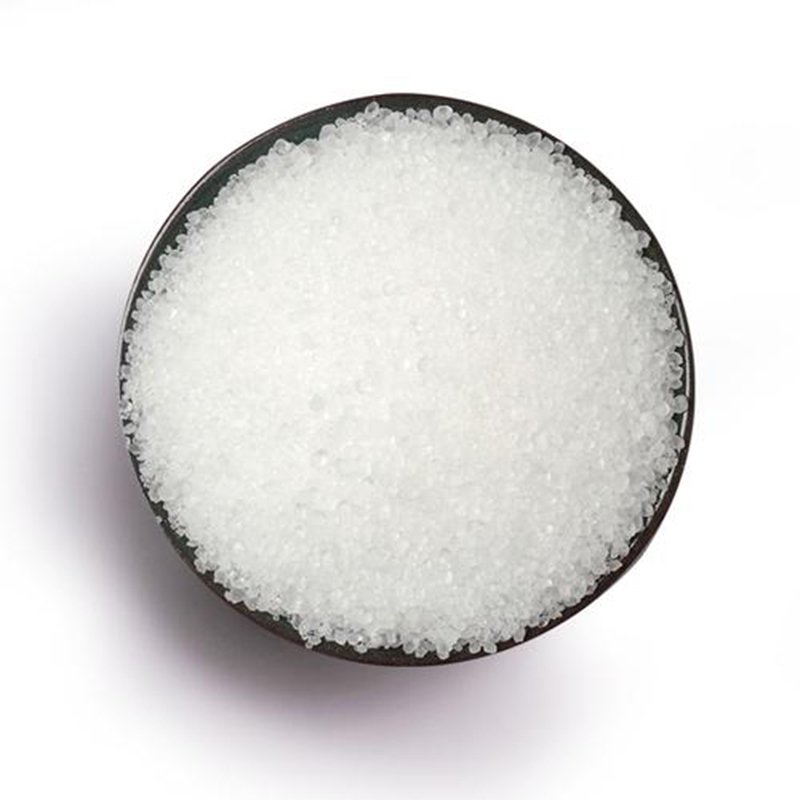
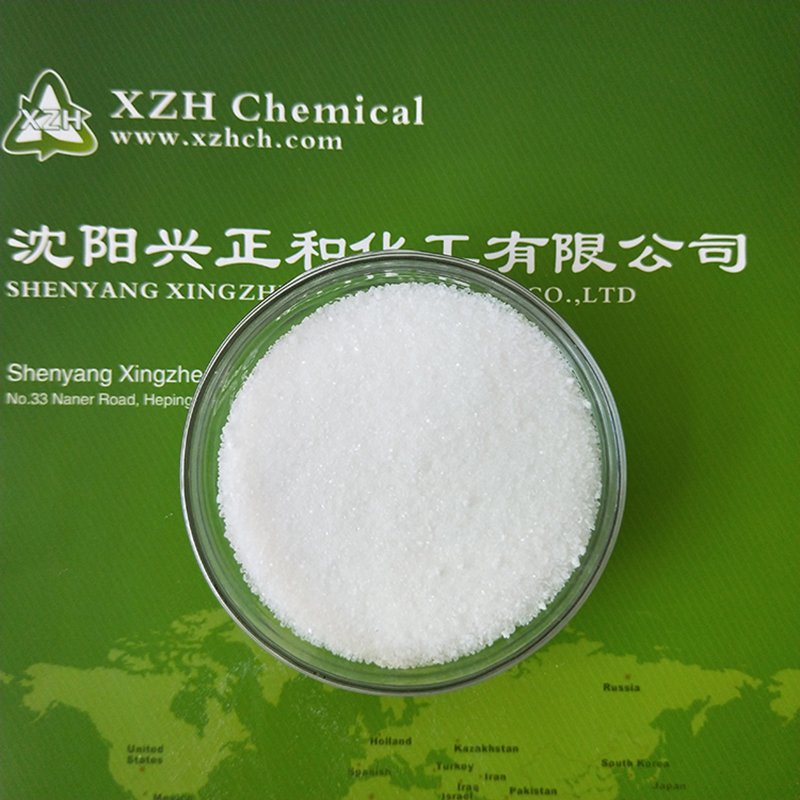
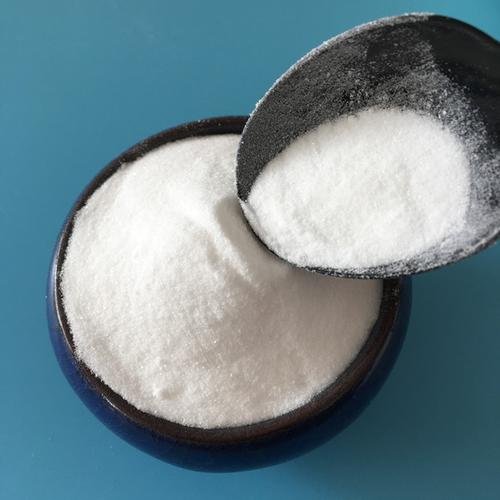
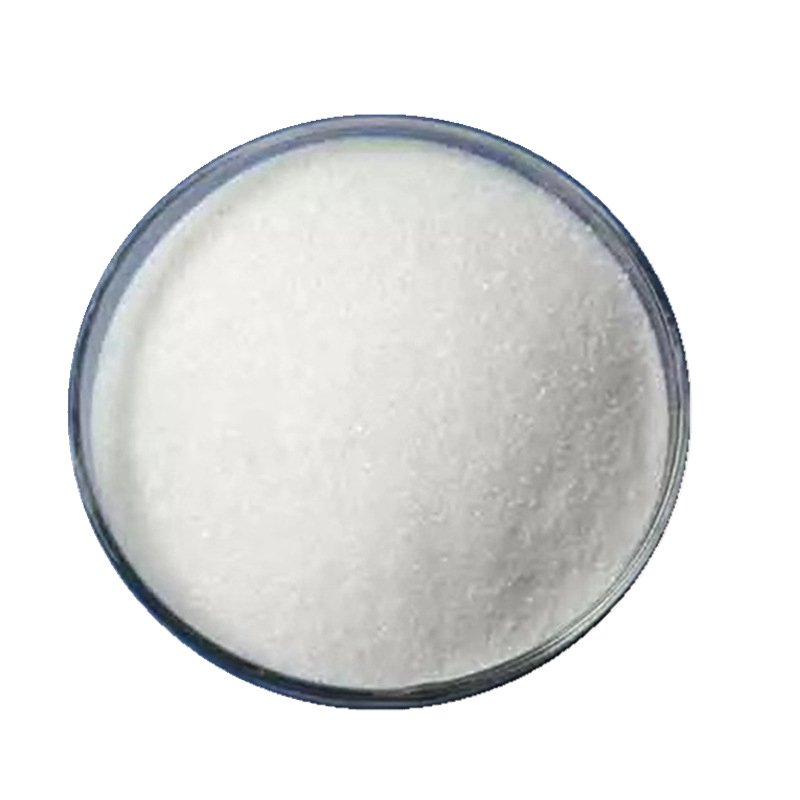
Sodium gluconate is the sodium salt of gluconic acid, with the molecular formula C₆H₁₁NaO₇. It typically appears as a white to off-white crystalline powder or granule. It is readily soluble in water, giving a weakly alkaline solution (pH about 6.5–7.5). It is non‑toxic, non‑irritating, and biodegradable.
Industrially, sodium gluconate is produced by fermentation or catalytic oxidation of glucose. The production process is mature and product quality is stable. Depending on the intended use, it is available in industrial grade, food grade, etc.
2. Core Properties
2.1 Chelating Ability
The molecular structure of sodium gluconate contains multiple hydroxyl and carboxyl groups, allowing it to form stable water‑soluble complexes with metal ions such as calcium, magnesium, iron, and copper. This property makes it useful in water treatment and metal cleaning.
2.2 Retarding Effect
In concrete, sodium gluconate delays cement hydration and extends the setting time. Its retarding effect is stronger than that of commonly used lignosulfonates, and it has little negative impact on later‑age strength.
2.3 Scale Inhibition
By chelating calcium and magnesium ions in water, sodium gluconate prevents the formation and deposition of scales such as calcium carbonate and calcium sulfate.
2.4 Mild Alkalinity
Aqueous solutions of sodium gluconate are weakly alkaline and have low corrosivity to metals, making it suitable for systems that are sensitive to pH.
2.5 Biodegradability
Derived from glucose, sodium gluconate is readily broken down by microorganisms in the natural environment, resulting in a low environmental load.
3. Main Application Areas
3.1 Concrete Admixture (Retarder)
Sodium gluconate is a commonly used concrete retarder, suitable for situations where extended setting time is required:
-
Mass concrete – delays heat release from hydration, reduces thermal cracking
-
Hot‑weather concreting – prevents rapid setting, ensures transport and placement time
-
Ready‑mixed concrete – extends slump retention
-
Complex pours – provides longer working time for placement
Typical dosage: 0.02% – 0.1% by weight of cement. Too low a dosage gives insufficient retardation; too high a dosage may cause excessive retardation (no set for more than 24 hours). Trial mixes are necessary.
Advantages: stable retardation, minimal effect on later‑age strength, good compatibility with most superplasticizers.
Note: Different cements have different sensitivities to sodium gluconate. Setting time tests are recommended before use.
3.2 Industrial Water Treatment
In cooling water systems, boiler water, and reverse osmosis systems, sodium gluconate is used as a scale inhibitor and corrosion inhibitor:
-
Chelates calcium and magnesium ions to prevent scaling
-
Can be blended with other agents (polyphosphates, zinc salts, organic phosphonates) to improve corrosion inhibition
-
Biodegradable, environmentally friendly
It is suitable for low to medium hardness water.
3.3 Metal Surface Cleaning
In cleaning processes for steel, glass bottles, and electronic components, sodium gluconate acts as a chelating agent and builder:
-
Removes rust, scale, and grease from metal surfaces
-
Chelates metal ions in the cleaning bath to prevent redeposition
-
Works together with surfactants to improve cleaning efficiency
Typical formulations:
-
Sodium gluconate + sodium hydroxide + surfactant for steel derusting
-
Sodium gluconate + non‑ionic surfactant for glass bottle cleaning
3.4 Food Additive
Food‑grade sodium gluconate can be used as:
-
Acidity regulator – adjusts pH
-
Sequestrant – prevents metal‑catalyzed discoloration or off‑flavors
-
Nutrient fortifier – provides gluconate and sodium ions
Usage levels and applications must comply with local regulations (e.g., GB 2760 in China).
3.5 Other Applications
-
Electroplating – as a complexing agent to improve coating quality
-
Textile dyeing – as a chelating dispersant to prevent interference from metal ions
-
Pharmaceuticals – as an excipient in some oral or injectable preparations
-
Gypsum products – as a retarder for plaster
4. Usage Precautions
4.1 Dosage Control in Concrete
The retarding effect of sodium gluconate is proportional to the dosage, but it is quite sensitive. Start with a low dosage (e.g., 0.02%) and increase gradually to find the minimum amount that meets the required setting time. Overdosing may cause:
-
Extremely delayed set
-
Slow early‑age strength development
-
Disruption of construction schedule
4.2 Compatibility with Different Cements
The retarding effect of sodium gluconate on high‑alumina cement or calcium sulfoaluminate cement differs from that on ordinary Portland cement. When changing cement type, new setting time tests should be performed.
4.3 Combination with Other Admixtures
Sodium gluconate is generally compatible with polycarboxylate superplasticizers, naphthalene‑based superplasticizers, and lignosulfonates. However, the retarding effects may be additive; the total retardation should be re‑evaluated.
4.4 Storage Conditions
Sodium gluconate is hygroscopic. It should be stored in a cool, dry place away from acids and oxidising agents. Keep containers sealed after opening to prevent caking. If caking occurs, the product can be crushed and used – performance is essentially unchanged.
4.5 Food Grade vs. Industrial Grade
Food‑grade sodium gluconate has stricter limits on heavy metals, arsenic, etc., and is more expensive. For concrete, water treatment, and metal cleaning, industrial grade is sufficient – no need to pay for food grade.
5. Quality Evaluation and Selection Guide
5.1 Typical Technical Specifications (Industrial Grade)
| Parameter | Typical Range |
|---|---|
| Appearance | White crystalline powder/granules |
| Assay (as C₆H₁₁NaO₇) | ≥ 98% |
| Moisture | ≤ 0.5% |
| Reducing sugars (as glucose) | ≤ 0.5% |
| Chlorides (as Cl) | ≤ 0.05% |
| Sulfates (as SO₄) | ≤ 0.05% |
| Heavy metals (as Pb) | ≤ 0.001% |
Note: Actual specifications may vary by supplier and application. Always refer to the certificate of analysis.
5.2 Selection Recommendations
-
Concrete admixture – focus on assay and reducing sugar content (high sugar may affect retardation stability). Industrial grade is normally sufficient.
-
Water treatment – look for good chelating ability and low impurities. High solubility is important.
-
Metal cleaning – high purity gives more consistent cleaning performance.
-
Food use – must use food grade with a third‑party test report.
5.3 Simple Quality Checks
-
Solubility – a small sample should dissolve completely in water with no visible residue.
-
Color – pure white or slightly yellowish. Darker color may indicate higher impurities.
-
Caking – slight caking is acceptable; severe caking suggests excessive moisture or poor storage.
6. Quick Q&A
Q: What is the difference between sodium gluconate and calcium gluconate?
A: The difference is the counter‑ion (sodium vs. calcium). In concrete retardation, sodium gluconate has better water solubility and a stronger retarding effect. Calcium gluconate also provides calcium ions, which may react with other components in some systems.
Q: Can sodium gluconate completely replace lignosulfonate as a retarder?
A: Not simply. Sodium gluconate is a stronger retarder with a much lower dosage, but it is also more expensive. In practice, they are often blended to balance retardation performance and cost.
Q: What if too much sodium gluconate is added to concrete?
A: If excessive retardation occurs (concrete remains soft for too long), an accelerator (e.g., aluminium sulfate, calcium chloride) may be tried, but the outcome is not guaranteed. Prevention is the best approach – strictly control the dosage.
7. Summary
Sodium gluconate is a well‑defined organic salt auxiliary. Its core value lies in chelating metal ions and retarding cement hydration. In concrete retardation, scale inhibition in recirculating water, and metal cleaning, it provides stable performance when the correct grade is selected and the dosage is properly controlled.
For procurement, pay attention to purity, reducing sugar content, and batch‑to‑batch consistency. Always perform small‑scale tests before bulk use. For formulators, keeping records of how different batches perform in your specific formulation will help you quickly respond to any variations.