I. Basic Physicochemical Properties
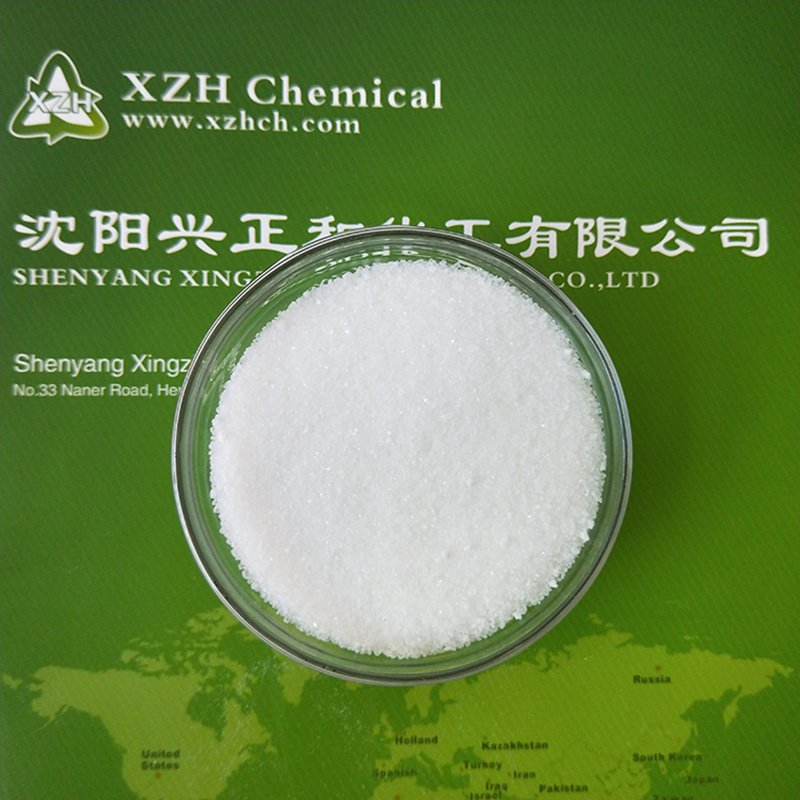
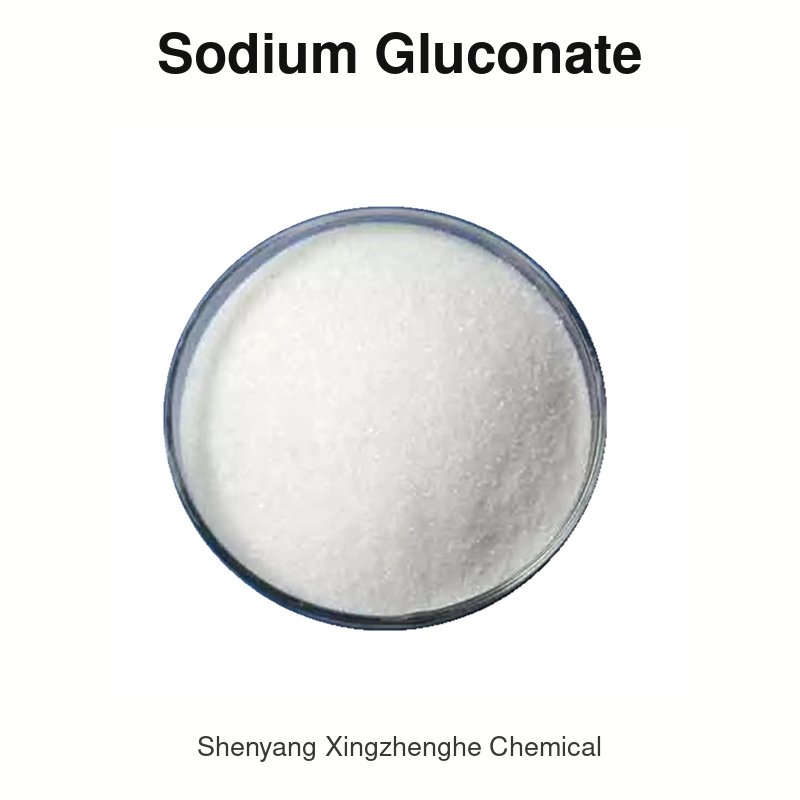
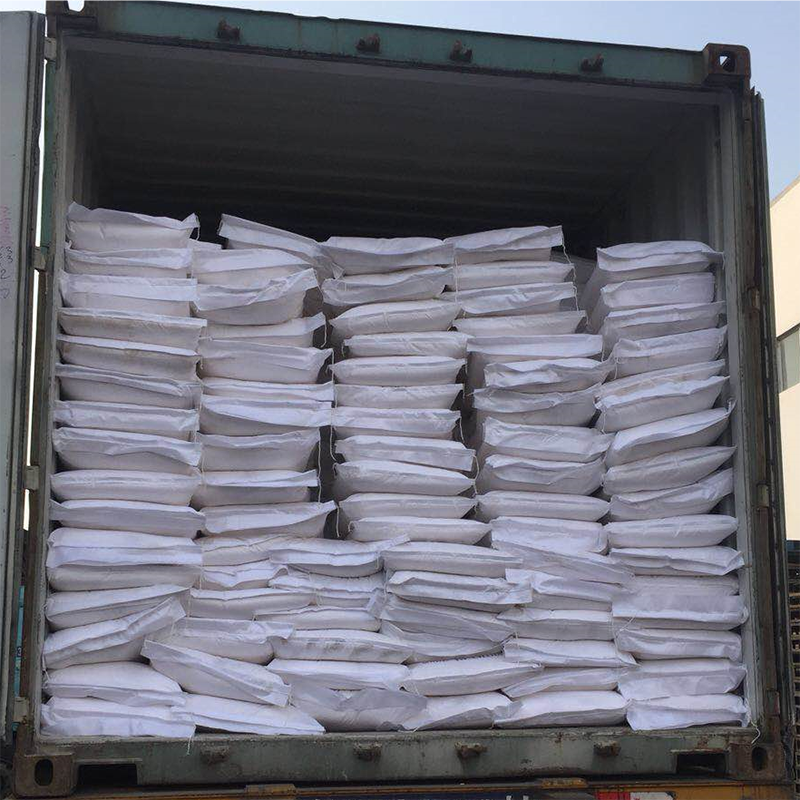
Sodium Gluconate (C₆H₁₁O₇Na, molecular weight 218.14) is an organic acid salt produced by the neutralization of gluconic acid with sodium hydroxide or sodium carbonate. Industrial products typically appear as white to off-white crystalline powders or granules, odorless, with a slightly salty and astringent taste.
The substance has two notable characteristics:
High Solubility. The solubility of sodium gluconate in water increases significantly with temperature. At 25°C, approximately 59 grams dissolve per 100 mL of water; at 80°C, solubility increases to approximately 150 grams or more per 100 mL. The dissolution process is endothermic, and the resulting solution is weakly alkaline, with a pH (10% aqueous solution) typically ranging from 6.5 to 7.5.
Chelating Capacity. The molecular structure contains one carboxyl group and five hydroxyl groups, forming a multidentate ligand structure. These functional groups can form stable five- or six-membered ring chelates with various metal ions, including Ca²⁺, Mg²⁺, Fe²⁺, Fe³⁺, and Cu²⁺. The calcium-binding capacity is approximately 80 to 120 mg CaCO₃ equivalent per gram of sodium gluconate. This chelating capability serves as the theoretical foundation for its applications across multiple industrial sectors.
Additionally, sodium gluconate exhibits good biodegradability, achieving a 28-day biodegradation rate of over 70% under aerobic conditions. It is not classified as a persistent organic pollutant. However, this does not imply that industrial wastewater can be discharged directly; treatment according to environmental regulations remains necessary.
II. Applications in Concrete Admixture Systems
In concrete technology, sodium gluconate is classified as a retarding-type, ordinary water-reducing admixture. Relevant performance parameters are evaluated according to GB 8076, the Chinese national standard for concrete admixtures.
Mechanism of Action. The retardation of cement hydration by sodium gluconate involves two primary mechanisms. First, its anions adsorb onto the surface of cement particles, forming a solvation film that inhibits the initial hydration rates of C₃S (tricalcium silicate) and C₃A (tricalcium aluminate). Second, the carboxyl groups form complexes with calcium ions in the solution, reducing the effective concentration of calcium ions in the cement paste and delaying the nucleation and growth of calcium hydroxide crystals. The synergistic effect of these two mechanisms extends the setting time of the cement paste.
Typical Technical Parameters. Within the recommended dosage range (0.02% to 0.10% solid content by cement weight), sodium gluconate can delay the initial setting time of concrete by 1 to 5 hours under test conditions (20±2°C). The actual retardation period is influenced by cement type, mineral admixtures, ambient temperature, and dosage, with a reasonable range of variation.
Effect on Strength Development. Concrete containing sodium gluconate typically exhibits slightly lower early strength at 3 days compared to control samples, generally showing a reduction of 5% to 15%. Strength at 7 days generally approaches or reaches that of the reference concrete. Strength at 28 days and beyond is typically not lower than that of control concrete; some studies suggest a modest increase under optimized dosage conditions. This performance profile makes sodium gluconate suitable for projects where early strength requirements are not critical but a defined working time for construction operations is necessary.
Compatibility Requirements. The retarding effect of sodium gluconate varies in response to different cement compositions, including mineral composition, alkali content, gypsum form, and fineness. Users should conduct cement compatibility tests prior to practical application to determine the optimal dosage for specific project conditions. Estimating based solely on experience or directly adopting parameters from other projects is not recommended.
III. Industrial Cleaning and Metal Surface Treatment
In industrial cleaning formulations, sodium gluconate serves primarily as a chelating auxiliary agent.
Descaling Mechanism. For scales such as calcium carbonate and calcium sulfate, sodium gluconate dissolves calcium ions from the scale layer through chelation, causing the scale structure to break down and disperse into the cleaning solution, from which it is removed from the system. For iron oxide (rust) deposits, sodium gluconate forms soluble complexes with Fe³⁺, facilitating the detachment of the rust layer.
Performance Advantages. Compared to inorganic strong acids (e.g., hydrochloric acid, nitric acid), sodium gluconate-based cleaners exhibit significantly lower corrosion rates on metal substrates such as carbon steel, stainless steel, and copper, given equivalent descaling capacity. This property has engineering value for cleaning precision equipment and thin-walled components. However, it should be noted that sodium gluconate generally has a slower removal rate for dense, thick scale layers compared to inorganic acids. The two can be used in combination depending on the operating conditions.
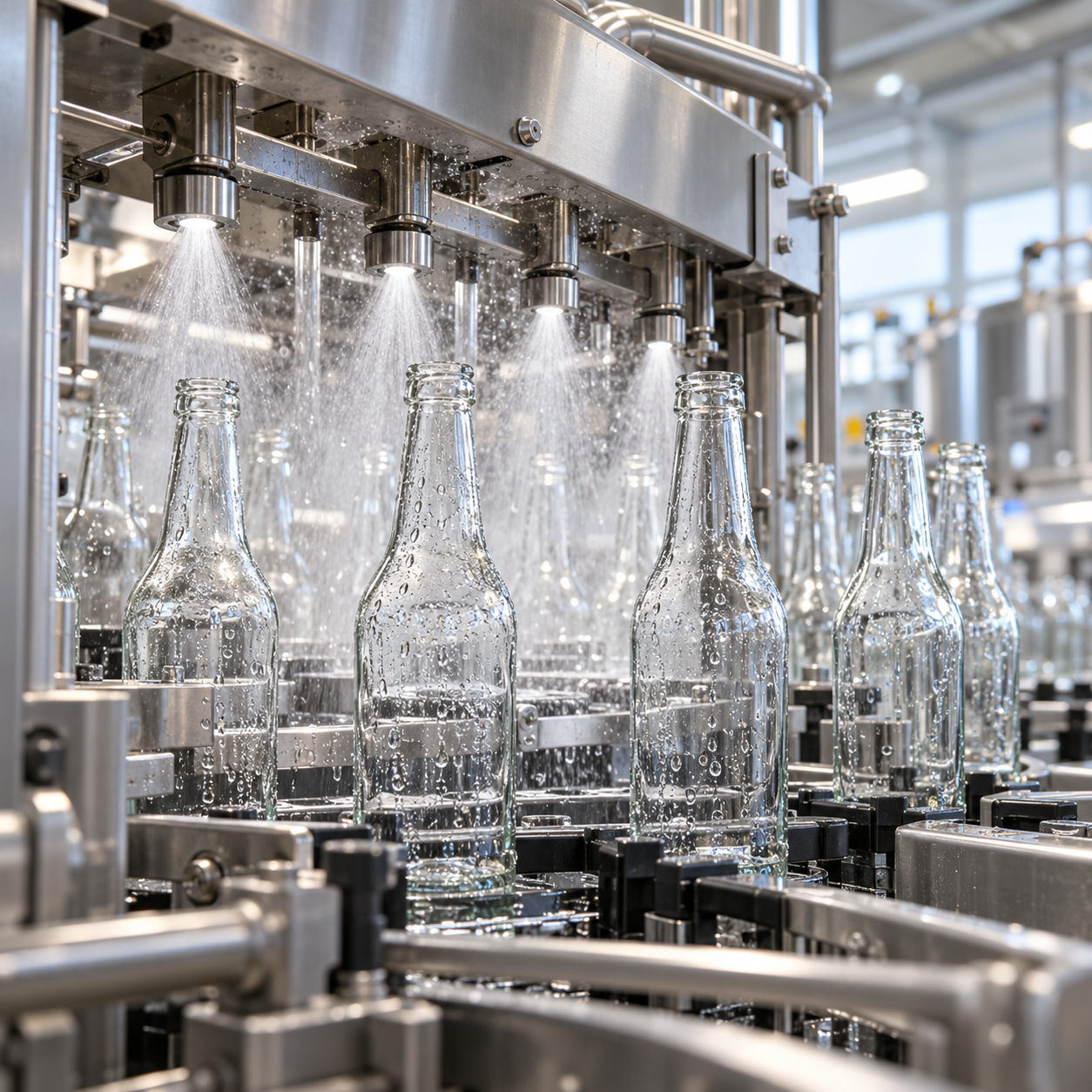
Application Areas. These include online cleaning of recirculating cooling water systems, shutdown cleaning of heat exchangers, glass bottle washing, beer keg cleaning, and cleaning of automotive engine cooling systems.
IV. Other Industrial Applications
Water Stabilizer. In industrial recirculating cooling water, sodium gluconate at low concentrations (ranging from a few mg/L to several tens of mg/L) can serve as a scale inhibitor and dispersant. It is often used in combination with organophosphonates, polycarboxylates, and other compounds to synergistically control the formation of calcium carbonate scale.
Textile and Dyeing Auxiliary. Sodium gluconate chelates heavy metal ions such as iron and copper in water, preventing these ions from catalytically decomposing hydrogen peroxide in bleaching baths or causing color shifts in dyes and reductions in fabric strength.
Gypsum and Specialty Mortars. In gypsum-based materials, sodium gluconate can regulate the setting time of the paste, improving the workability window for construction without affecting the strength development after hardening.
Food and Pharmaceutical Applications (High-Purity Grade Only). Products meeting GB 7657, the Chinese national standard for the food additive sodium gluconate, can be used as acidity regulators and chelating agents. Industrial-grade products are not permitted for use in food processing.
V. Usage Guidelines and Safety Precautions
Dosage Control Flexibility. In concrete applications, dosage accuracy should be maintained within ±10% of the target value. Consequences of overdosage include excessively prolonged setting time (exceeding 24 hours), significantly insufficient early strength (3-day strength potentially reduced by more than 30%), and even non-setting behavior. Once such situations occur, they cannot be rectified through subsequent curing.
Protective Measures. Although sodium gluconate is not classified as a hazardous chemical, prolonged exposure to dust may cause respiratory irritation. Operators should wear masks (N95 or equivalent), protective gloves, and safety goggles. In case of skin contact, rinse with clean water.
Storage Conditions. The product has moderate hygroscopicity and should be stored in a cool, dry, well-ventilated location, protected from bag breakage and moisture ingress. Under proper storage conditions, unopened products generally have a shelf life of 12 months. Products that have caked due to moisture ingress exhibit reduced dispersion performance and are not recommended for use in precision formulations.
Contraindications and Unsuitable Applications. Sodium gluconate is not recommended for the following conditions: projects with established requirements for early strength (1 to 3 days); concrete construction at ambient temperatures below 5°C without insulation measures; and technical conditions for prestressed concrete requiring stringent control of setting time.
VI. Summary
Sodium gluconate is a multi-purpose industrial auxiliary agent with a well-defined chelation mechanism and stable performance parameters. In applications such as concrete retardation, industrial cleaning and descaling, and water stabilization, it has gained long-term engineering validation due to its clear mechanism of action, controllable effects, and relatively broad compatibility.
Understanding its chemical principles, controlling application conditions, and strictly adhering to dosage specifications are three fundamental prerequisites for realizing the technical value of sodium gluconate. Any usage approach that deviates from specific operating conditions or neglects experimental verification will not reliably achieve the intended results.