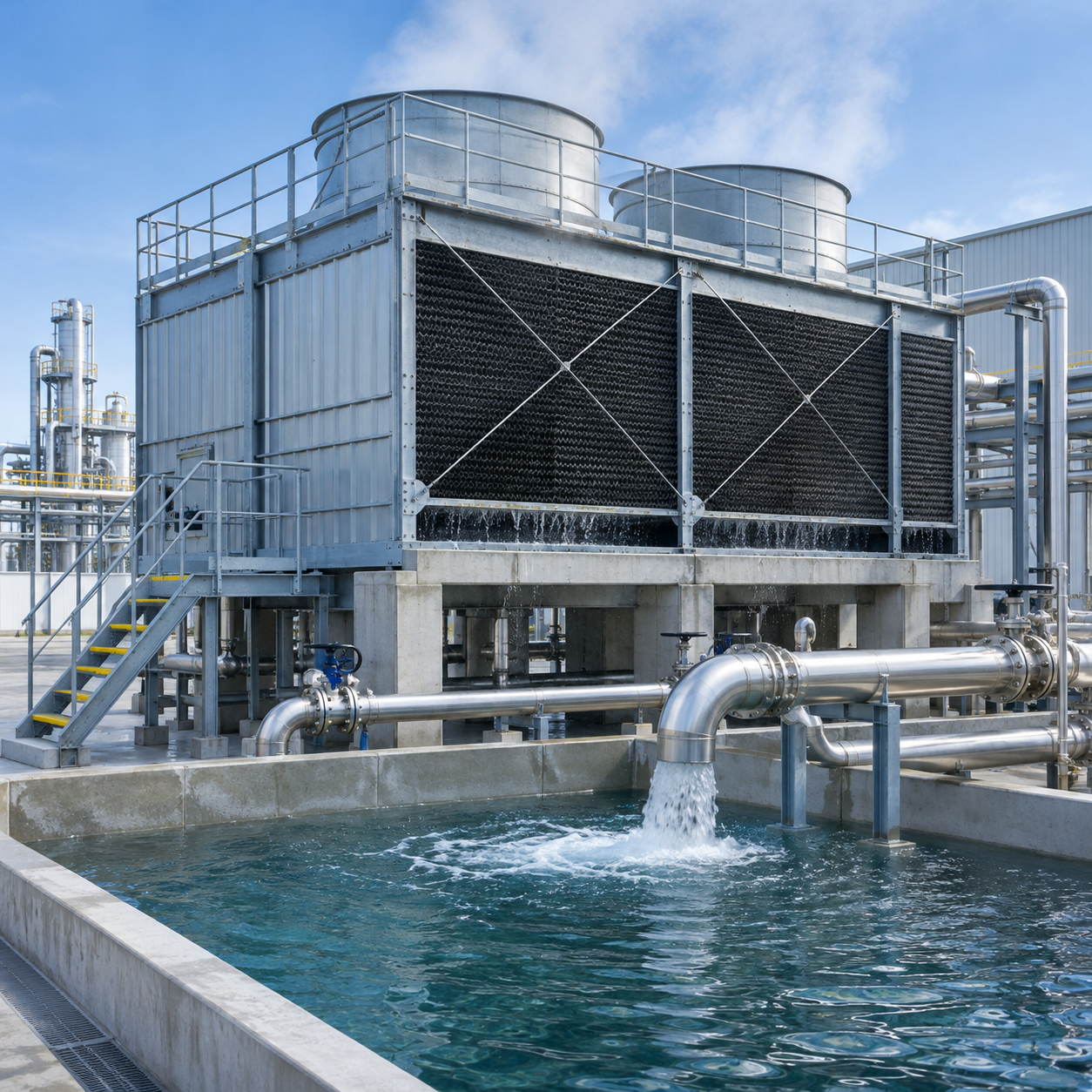
Recirculating cooling water systems are affected by water chemistry, temperature, evaporation, and the materials in contact with the water. As water circulates and concentrates, dissolved minerals may contribute to deposits. Metal surfaces may also require corrosion control suited to the system.
Sodium gluconate can be evaluated as a chelating component in some cooling water formulations. Its performance depends on the water and operating conditions, so formulators should assess it within the complete treatment program.
Why Does Cooling Water Chemistry Matter?
Cooling water is not a fixed solution. Its composition may change as water evaporates, makeup water is added, and dissolved substances accumulate in the system.
Several factors can affect treatment performance:
- calcium and magnesium hardness;
- alkalinity and pH;
- dissolved iron and other metal ions;
- chloride and other dissolved salts;
- water temperature;
- cycles of concentration;
- system materials and heat-transfer surfaces.
These conditions influence the likelihood of mineral deposits and corrosion. A treatment ingredient that performs adequately in one system may behave differently when the water source or operating conditions change.

What Is the Possible Role of Sodium Gluconate?
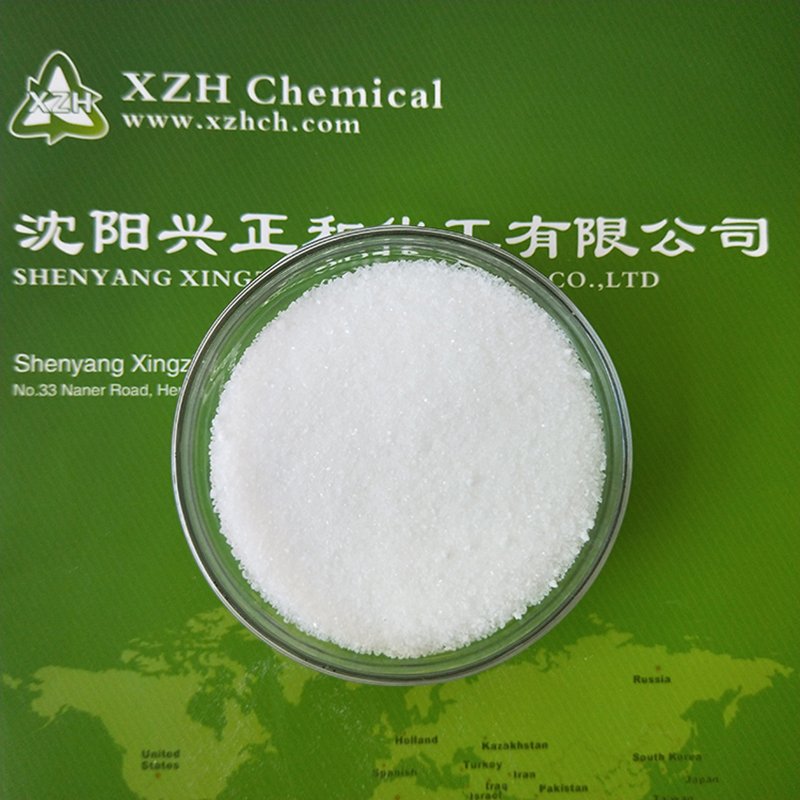
Sodium gluconate is a water-soluble salt with metal-binding properties. In a cooling water formulation, it may be considered as a component for managing certain metal ions and supporting scale-control performance.
The result depends on ion concentrations, pH, temperature, and the presence of other treatment ingredients. Sodium gluconate should therefore be assessed as part of the formulated system, with performance confirmed under the intended operating conditions.
The presence of a chelating component does not remove dissolved minerals from the water. It changes how some ions behave in solution. Water balance, blowdown practice, filtration, and the wider treatment program remain relevant to system operation.
Which Operating Conditions Should Be Reviewed?
Before testing sodium gluconate in a cooling water formulation, document the main system conditions:
- Water source and analysis: Record hardness, alkalinity, pH, chloride, and relevant dissolved metals.
- Temperature range: Consider both circulating-water temperature and the surface temperature of heat-transfer equipment.
- Concentration cycles: Evaporation can increase the concentration of dissolved components.
- System materials: Steel, copper alloys, and other materials may respond differently to a treatment formula.
- Existing treatment chemicals: Dispersants, corrosion-control ingredients, and biocides may affect overall compatibility.
- Operating history: Existing deposits, corrosion products, and water-quality changes can influence test results.
These details help define a representative test rather than relying on a general product description.
How Can Sodium Gluconate Be Evaluated?
Begin with a control formulation and compare it with a trial formulation under consistent conditions. Keep water composition, pH, temperature, test duration, and other ingredients as similar as possible.
Depending on the system and evaluation method, useful observations may include:
- deposit formation on test surfaces;
- changes in the appearance of the circulating water;
- corrosion measurements on representative metal coupons;
- visible residue or suspended solids;
- compatibility with the other treatment ingredients;
- changes in performance over the planned operating period.
Laboratory screening can help compare formulations. A subsequent system trial may be needed to confirm performance under actual recirculating conditions. The test method and acceptance criteria should match the equipment and operating requirements.
Water sample and metal test coupon testing
Why Is Compatibility Testing Important?
Cooling water formulations may contain several functional components. A change to one ingredient can affect the behavior of the overall mixture.
Check for visible precipitation, changes in clarity, residue, or unexpected changes in test results when sodium gluconate is combined with the existing treatment program. Compatibility should be evaluated at the intended concentration, pH, and temperature.
If the formulation includes a biocide or another reactive component, assess compatibility using the plant’s established procedures and safety requirements.
Can Sodium Gluconate Be Used at One Fixed Dosage?
A fixed dosage cannot be assumed to suit every cooling water system. The appropriate level depends on water chemistry, temperature, concentration cycles, system materials, and the other ingredients in the formulation.
Determine the dosage through controlled testing and confirm it under the intended operating conditions. Record the test water and operating parameters so that future results can be compared consistently.
Conclusion
Sodium gluconate may be evaluated as a chelating component in recirculating cooling water formulations where metal-ion management and scale-control performance are being assessed. Results depend on the complete water chemistry and operating conditions.
A structured trial should consider hardness, pH, temperature, concentration cycles, system materials, and compatibility with other treatment ingredients. Testing under representative conditions helps determine whether sodium gluconate is suitable for a specific cooling water application.