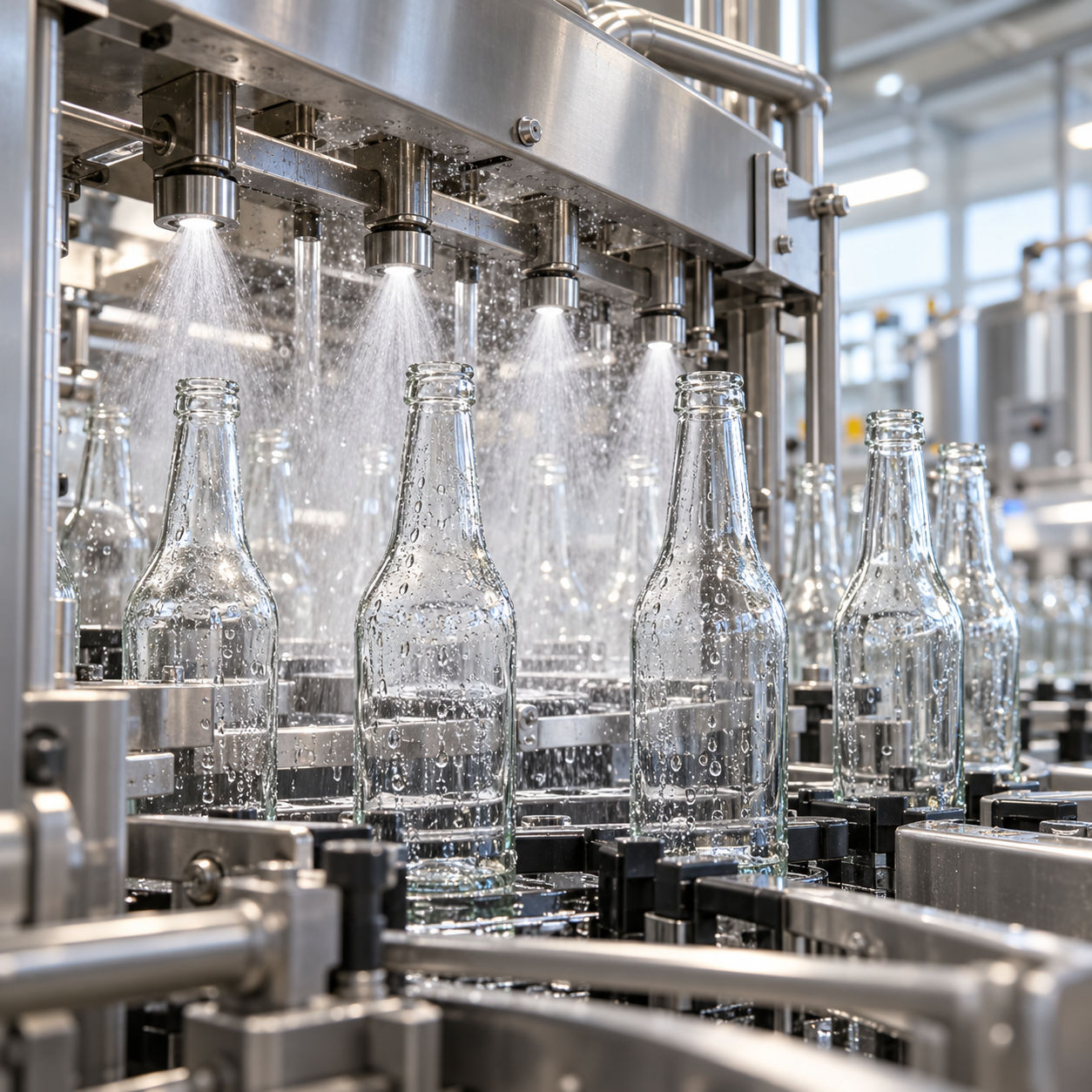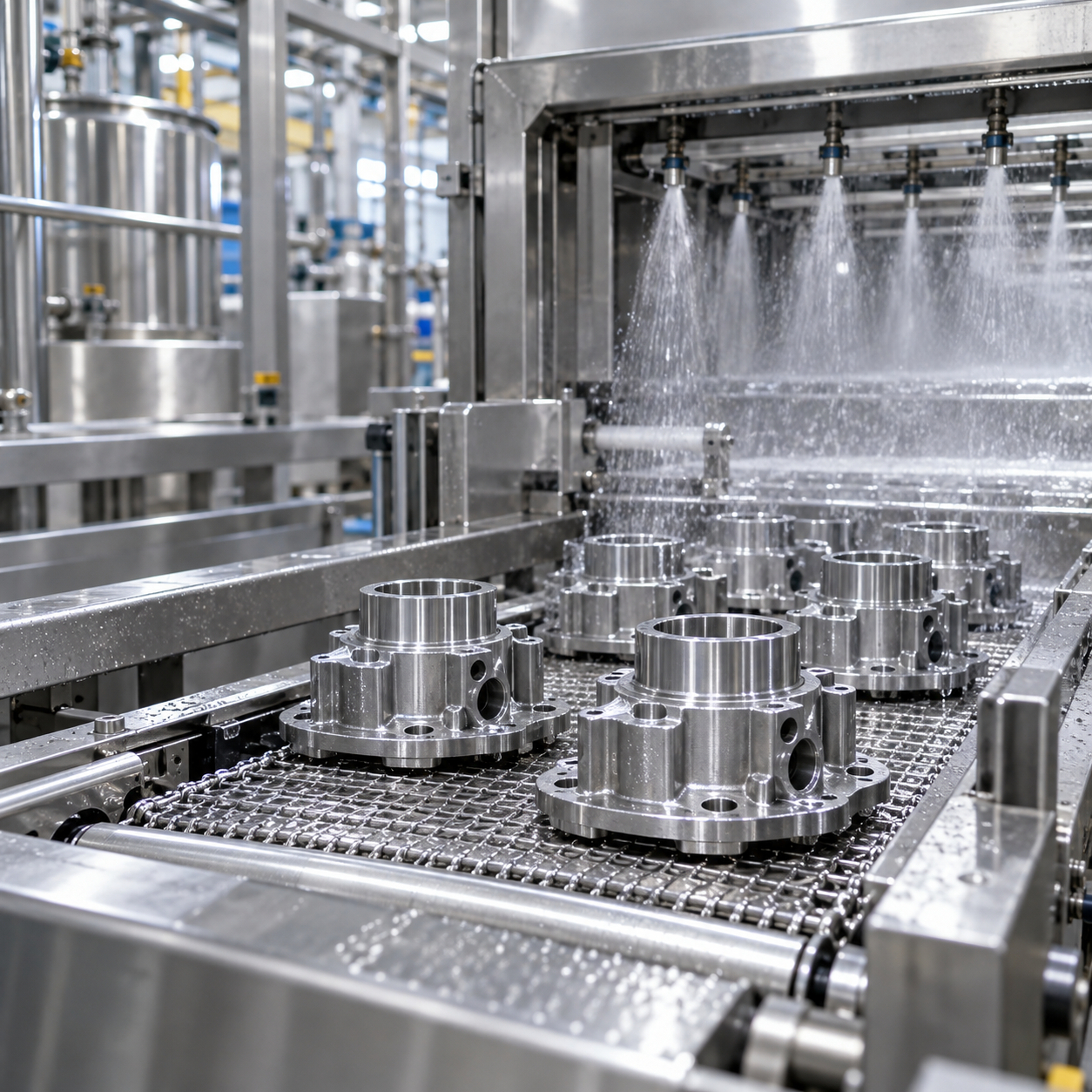
Metal cleaning is an important step in preparing a surface for coating or plating. Oil, grease, dust, and other residues can interfere with later processing, so the cleaning formulation and operating conditions need to match the metal substrate and the type of contamination.
Sodium gluconate may be considered as a chelating component in some alkaline metal cleaning formulations. Its role depends on the complete formula and process. It should not be treated as a standalone cleaner or assumed to guarantee coating or plating results.
Why Is Metal Cleaning Important Before Plating?
A metal surface may carry residues from machining, forming, storage, or handling. If these residues remain, the surface may not be ready for the next process.
Cleaning is generally designed around the type of soil and the substrate. An alkaline cleaning stage may be used to address oily or greasy contamination. Other operations, such as acid treatment, may be used for different surface conditions and must be assessed separately.
The cleaning stage is only one part of surface preparation. Rinsing, drying, transfer time, and the following treatment can also affect the finished result.
What Is the Possible Role of Sodium Gluconate?
Sodium gluconate is a water-soluble salt with metal-binding properties. In an alkaline cleaning formulation, it may be evaluated as a chelating component to help manage certain metal ions in the bath.
The purpose of including it is formulation-specific. Sodium gluconate does not replace the ingredients that provide the main cleaning action, and it does not remove every type of oil, scale, oxide, or surface contamination by itself.
Its contribution may vary with:
- the metal substrate;
- the ions and contaminants present;
- the cleaner’s pH and composition;
- operating temperature and contact time;
- water quality;
- rinsing conditions.
For these reasons, a formulation should be tested as a complete system.
Is Sodium Gluconate the Same as a Degreaser or Pickling Agent?
No. These materials and process steps have different functions.
A degreasing formulation is designed to remove oily or greasy soils. An acid pickling step is used for a different surface-treatment purpose and has its own substrate and process considerations. Sodium gluconate may serve as one component in a formulation, but it should not be described as a replacement for either process.
When designing a surface-treatment sequence, define the target soil and the required substrate condition first. Then select and evaluate each process stage for that purpose.
Which Factors Should Be Considered in a Trial?
A practical trial should reflect the actual production process as closely as possible. Before testing, record the substrate, the type of soil, the cleaning method, water source, bath concentration, pH, temperature, contact time, and rinse conditions.
Keep the operating conditions consistent when comparing a reference formula with a trial formula. If several factors change at once, it becomes difficult to identify what caused the difference.
Depending on the application, observations may include:
- visible cleanliness after washing;
- residual oil or soil;
- surface appearance after rinsing and drying;
- deposits or residue on the workpiece;
- signs of substrate attack or discoloration;
- performance in the subsequent coating or plating step.
Test the intended metal type. A formula suitable for one substrate may not be suitable for another, so compatibility should not be assumed across different metals or alloys.
Why Does Rinsing Matter?
A cleaning bath is followed by rinsing as part of the process sequence. Rinsing helps remove remaining bath components and loosened contamination from the workpiece.
The rinse-water quality and method can affect what remains on the surface. If the cleaned metal is transferred to the next stage with residues or a delay, the final surface condition may differ from the trial result.
For this reason, evaluate the cleaning and rinsing steps together, using the same sequence planned for production.
How Should the Dosage Be Determined?
There is no single dosage that can be applied to every metal cleaning formulation. The appropriate level depends on the formulation, bath conditions, substrate, water, and intended process result.
Start with a controlled laboratory or production trial using the supplier’s technical guidance and the plant’s operating requirements. Record each test condition and compare the results using the same evaluation method. Confirm the selected dosage under the intended production conditions before adopting it.
Conclusion
Sodium gluconate may be evaluated as a chelating component in alkaline metal cleaning formulations used before plating or coating. Its role is limited to the formulation and conditions in which it is tested; it is not a standalone degreaser, pickling agent, or guarantee of final coating performance.
A controlled trial should consider the metal substrate, contamination, water quality, bath conditions, rinsing, and the following process step. This helps determine whether sodium gluconate is suitable for the specific metal surface treatment application.