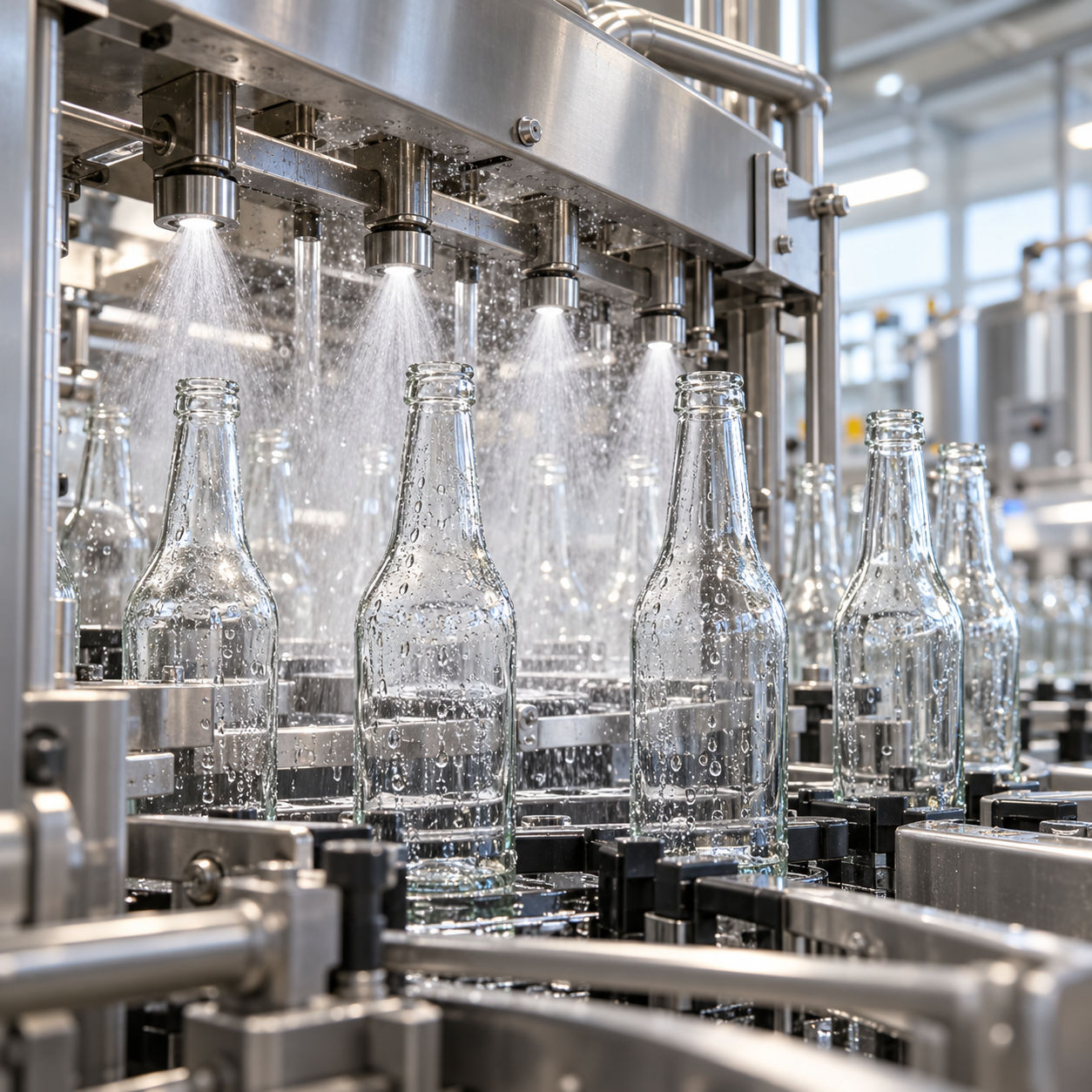
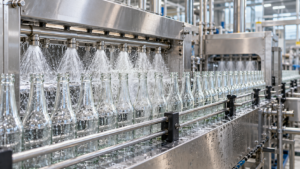
Glass bottle washing involves more than removing visible dirt. A washing formulation may need to deal with beverage residues, labels and adhesive, mineral deposits, and marks left by repeated use. Water quality, washing conditions, and the type of bottle can all affect the result.
Sodium gluconate may be considered as a chelating component in some bottle washing formulations. It is not a complete detergent by itself, and its contribution depends on how it works with the other ingredients and the conditions in the bottle washer.
Why Are Chelating Components Used in Bottle Washing?
Calcium, magnesium, iron, and other metal ions may enter a washing system through process water or residues on bottles. Depending on the formulation, these ions can interact with other detergent ingredients or contribute to deposits on bottle surfaces and equipment.
Chelating components bind certain metal ions in solution. Formulators may use them to help manage these ions as part of a broader cleaning system.
The effect depends on the ions present, their concentration, water quality, pH, temperature, and other ingredients. A chelating component should therefore be evaluated in the intended detergent formulation rather than judged on its own.
What Is the Possible Role of Sodium Gluconate?
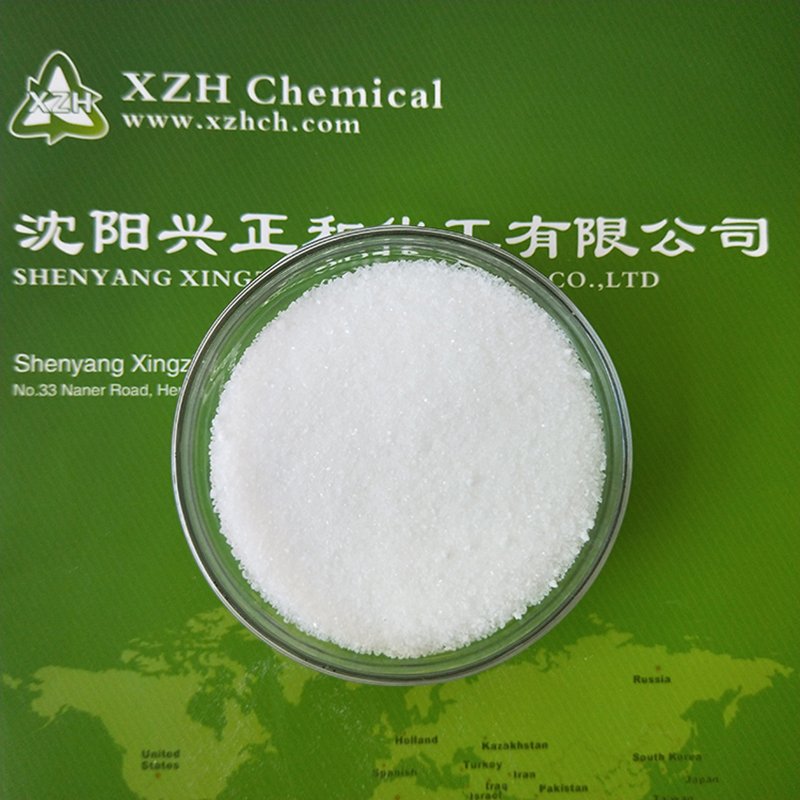
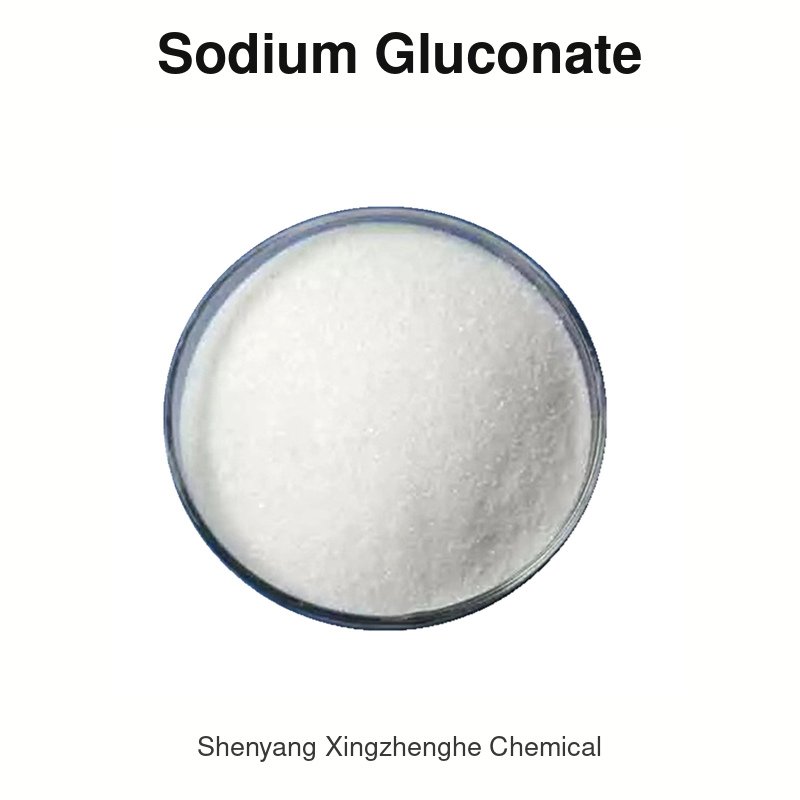
Sodium gluconate is a water-soluble salt with metal-binding properties. In a bottle washing detergent, it may be considered as one component for managing certain metal ions.
This does not mean that sodium gluconate removes every type of bottle soil. It does not replace the main cleaning ingredients responsible for removing beverage residues, labels, adhesive, or other contamination. Its role is formulation-dependent and should be assessed alongside the detergent’s other components.
The required balance can also differ between systems. A returnable glass bottle line, for example, may have different cleaning demands from a process handling new bottles or another container material.
What Can Affect Bottle Washing Results?
Several process conditions may influence the performance of a bottle washing detergent:
- Water quality: Hardness and dissolved metal ions vary by water source.
- Bottle condition: Used bottles may carry different residues, labels, or deposits.
- Detergent composition: Alkali, surfactants, dispersants, and chelating components can interact.
- Temperature and contact time: The washing cycle determines how long the formulation acts on the bottle.
- Rinsing: Residues left after washing can affect the appearance of the cleaned surface.
- Equipment condition: Nozzles, tanks, and circulation systems can influence how evenly the wash solution reaches bottle surfaces.
Because these factors vary, the same formulation may not give identical results in every bottle washing system.
How Can Sodium Gluconate Be Evaluated in a Formulation?
A controlled trial can help determine whether sodium gluconate is suitable for a particular formulation. Begin with the current detergent as a reference, then compare it with a trial formulation under consistent operating conditions.
Record the water source, bottle type, washing temperature, contact time, detergent concentration, and rinse conditions. Where possible, change one formulation variable at a time so the results are easier to interpret.
Depending on the production requirements, the evaluation may include:
- visible cleanliness after washing;
- marks or deposits on bottle surfaces;
- consistency across different batches of bottles;
- residue after rinsing;
- changes in the wash solution during use;
- compatibility with the other detergent ingredients.
A small-scale test can help with initial screening. Results should then be checked under the normal operating conditions of the bottle washer.
Is Sodium Gluconate a Standalone Bottle Cleaner?
No. Sodium gluconate should be considered a possible formulation component, not a complete bottle washing detergent. Cleaning performance depends on the complete system, including the ingredients that remove soils, the washing conditions, the water, and the rinsing stage.
For this reason, product selection should be based on the intended bottle type and washing process. A dosage should be established through formulation trials rather than copied from a different system.
Conclusion
Sodium gluconate may be evaluated as a chelating component in glass bottle washing detergents. Its suitability depends on water quality, bottle condition, detergent composition, washing parameters, and rinsing.
A controlled comparison can show whether it contributes to the target formulation. The final detergent composition and dosage should be confirmed under the actual bottle washing conditions.