Table of Contents
- 1. What Is Sodium Gluconate?
- 2. Key Physical & Chemical Properties
- 3. Five Major Industrial Applications
- 4. Sodium Gluconate vs. EDTA: Chelating Agent Comparison
- 5. Packaging & Storage
- 6. Safety & Handling
- 7. About Shenyang Xingzhenghe Chemical
- 8. FAQ
1. What Is Sodium Gluconate?
Sodium gluconate (CAS 527-07-1) is the sodium salt of gluconic acid, produced through the controlled fermentation of glucose followed by neutralization and crystallization. Its molecular structure features a six-carbon chain with five hydroxyl (–OH) groups and one carboxylate (–COO⁻) group, giving it strong chelating ability toward metal ions.
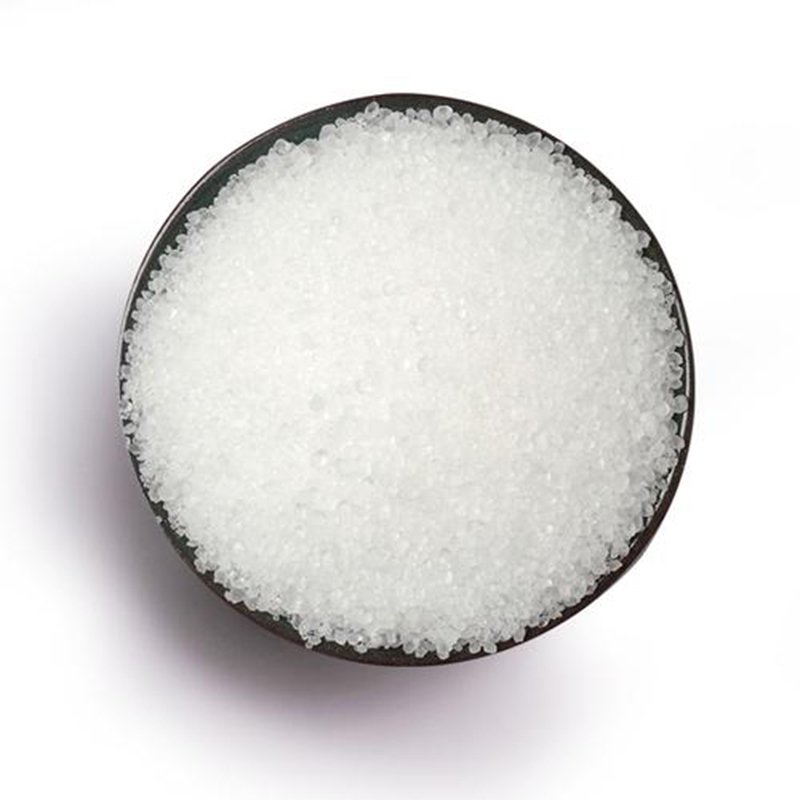
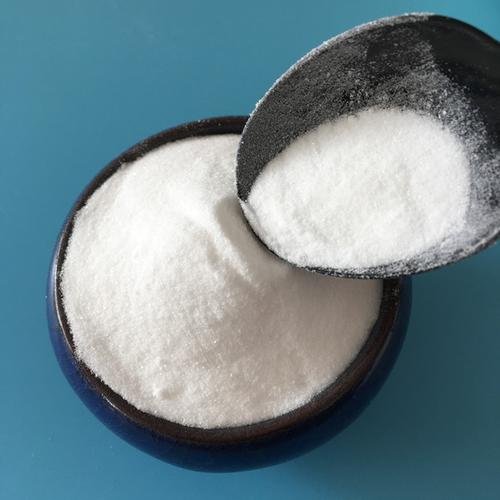
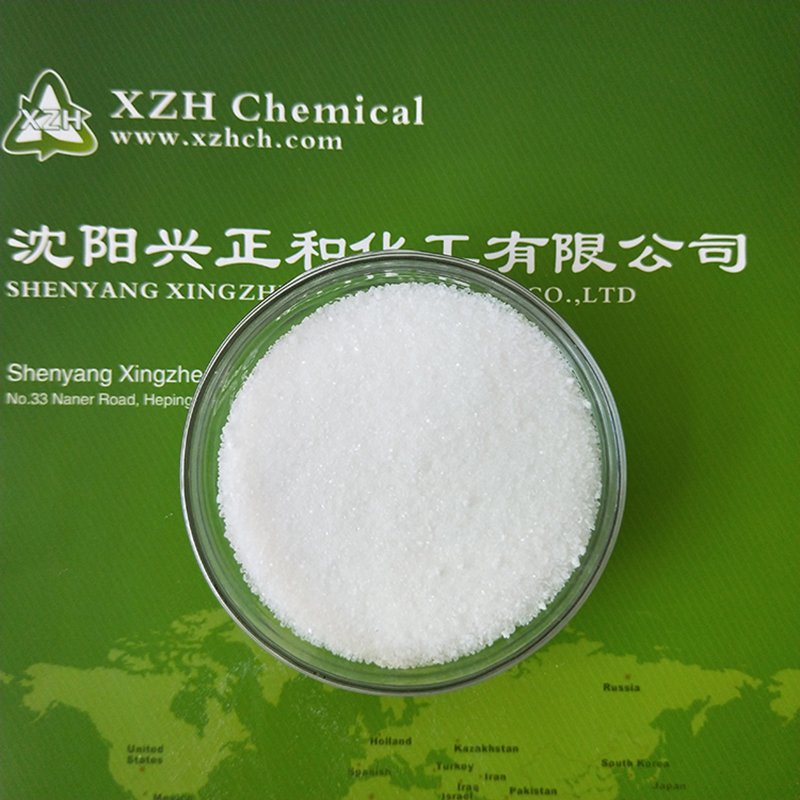
As a white to light beige crystalline powder with excellent water solubility, sodium gluconate is non-toxic, fully biodegradable, and chemically stable under normal conditions. These characteristics have made it a preferred chelating agent across the construction, industrial cleaning, water treatment, electroplating, and textile industries.
Key advantage: Unlike phosphate-based or EDTA-type chelating agents, sodium gluconate is fully biodegradable and environmentally safe, making it an ideal choice for industries seeking sustainable chemical solutions.
2. Key Physical & Chemical Properties
| Property | Specification |
|---|---|
| CAS Number | 527-07-1 |
| Molecular Formula | C₆H₁₁NaO₇ |
| Molecular Weight | 218.14 |
| Appearance | White crystalline powder |
| Melting Point | 170–175 °C |
| Water Solubility | 590 g/L at 25 °C (very soluble) |
| pH (100 g/L solution) | 6.5–8.0 |
| Specific Rotation | [α]D²⁰ +11° to +13° (c=10, H₂O) |
| Purity (industrial grade) | ≥ 98% |
| Moisture Content | ≤ 1.5% |
| Heavy Metals | ≤ 20 ppm |
Sodium gluconate forms stable chelate complexes with divalent and trivalent metal ions, including calcium (Ca²⁺), magnesium (Mg²⁺), iron (Fe³⁺), copper (Cu²⁺), and aluminum (Al³⁺). This chelating capacity is the foundation of its diverse industrial utility.
3. Five Major Industrial Applications
3.1 Concrete Admixture: Retarder & Water Reducer
The construction industry is the largest consumer of sodium gluconate, accounting for approximately 40–50% of total global demand. Its role in concrete technology is twofold:
- Retarder: Sodium gluconate delays the hydration of cement by chelating calcium ions, thereby slowing the formation of calcium silicate hydrate (C-S-H) gel. This extends the initial and final setting time of concrete, which is critical for hot-weather pouring, long-distance transportation, and mass concrete structures.
- Water reducer / plasticizer: Typical water reduction rate of 10–15%, improving concrete flowability, pumpability, and surface finish while reducing the water-to-cement ratio and saving cement.
Sodium gluconate is especially effective when combined with polycarboxylate superplasticizers (PCE), providing a balanced system of cement dispersion, workability retention, and setting control. It also reduces bleeding and segregation, resulting in denser and more durable concrete.
Unique property: Unlike most corrosion inhibitors, sodium gluconate’s inhibition rate actually increases with rising temperature — making it ideal for high-temperature concrete systems and variable-temperature environments.
3.2 Industrial Cleaning Agent
Sodium gluconate is widely used in industrial cleaning formulations due to its chelating power, alkaline compatibility, and non-toxic nature:
- Steel surface cleaning: Before electroplating (zinc, chromium, tin, nickel), steel surfaces must be thoroughly cleaned. Sodium gluconate added to cleaning agents effectively removes oils, rust, and mill scale, ensuring strong bonding between the plating layer and the substrate.
- Glass bottle washing: Replaces phosphate-based cleaners in bottle washing formulations. Provides strong descaling power without blocking nozzles, leaving no harmful residues. More environmentally friendly than traditional alternatives.
- General industrial descaling: Chelates calcium and magnesium deposits in boilers, heat exchangers, and pipeline systems, dissolving existing scale and preventing re-deposition.
3.3 Water Treatment Chemical
As a circulating cooling water stabilizer and eco-friendly corrosion/scale inhibitor, sodium gluconate offers several advantages in water treatment applications:
- Scale inhibition: Strong complexing ability toward Ca²⁺ and Mg²⁺ ions prevents the precipitation of calcium carbonate and calcium sulfate scale in cooling towers, boilers, and pipeline systems.
- Corrosion inhibition: Forms protective films on metal surfaces. Its inhibition rate increases with temperature, outperforming traditional inhibitors in variable-temperature systems.
- Synergistic effect: Works exceptionally well in combination with molybdenum, silicon, phosphorus, tungsten, and nitrite-based formulations, significantly enhancing overall corrosion protection.
- Phosphate replacement: Provides a nitrogen-free and phosphorus-free alternative to traditional water treatment chemicals, eliminating eutrophication concerns.
3.4 Electroplating & Metal Surface Treatment
In the electroplating industry, sodium gluconate serves as an effective complexing agent:
- Electroplating bath stabilizer: Stabilizes metal ion concentrations in plating solutions, ensuring uniform and smooth deposit formation.
- Aluminum anodizing: Used as a complexing agent in aluminum oxide coloring processes.
- Metal cleaning: Prior to any surface coating, plating, or painting, sodium gluconate helps remove oxide layers and contaminants from metal surfaces, ensuring strong adhesion of subsequent coatings.
3.5 Textile Dyeing Auxiliary
In the textile and dyeing industry, sodium gluconate plays important supporting roles:
- Water softening: Chelates metal ions present in process water, preventing interference with dye chemistry and ensuring consistent, uniform dyeing results.
- Dye bath stabilizer: Prevents metal-catalyzed oxidation and discoloration of dyes, improving color fastness and reproducibility.
- Equipment protection: Prevents scale buildup in dyeing equipment, reducing maintenance requirements and downtime.
4. Sodium Gluconate vs. EDTA: Chelating Agent Comparison
| Feature | Sodium Gluconate | EDTA (Ethylenediaminetetraacetic Acid) |
|---|---|---|
| Biodegradability | Fully biodegradable | Poorly biodegradable, persistent in environment |
| Toxicity | Non-toxic, safe for food contact | Low toxicity but environmental concerns |
| pH compatibility | Effective across wide pH range, especially alkaline | Effective across wide pH range |
| Corrosion inhibition | Yes — rate increases with temperature | Limited |
| Cost | Generally lower cost | Higher cost |
| Environmental impact | No public hazard, no eutrophication | Environmental persistence, regulatory scrutiny |
| Chelation strength (Ca²⁺) | Strong | Very strong |
| Concrete compatibility | Excellent — widely used as retarder | Not used in concrete |
For applications where biodegradability, concrete compatibility, or temperature-variable corrosion inhibition are priorities, sodium gluconate is the preferred choice. In cases requiring extremely strong chelation under acidic conditions, EDTA may still be relevant.
5. Packaging & Storage
Packaging
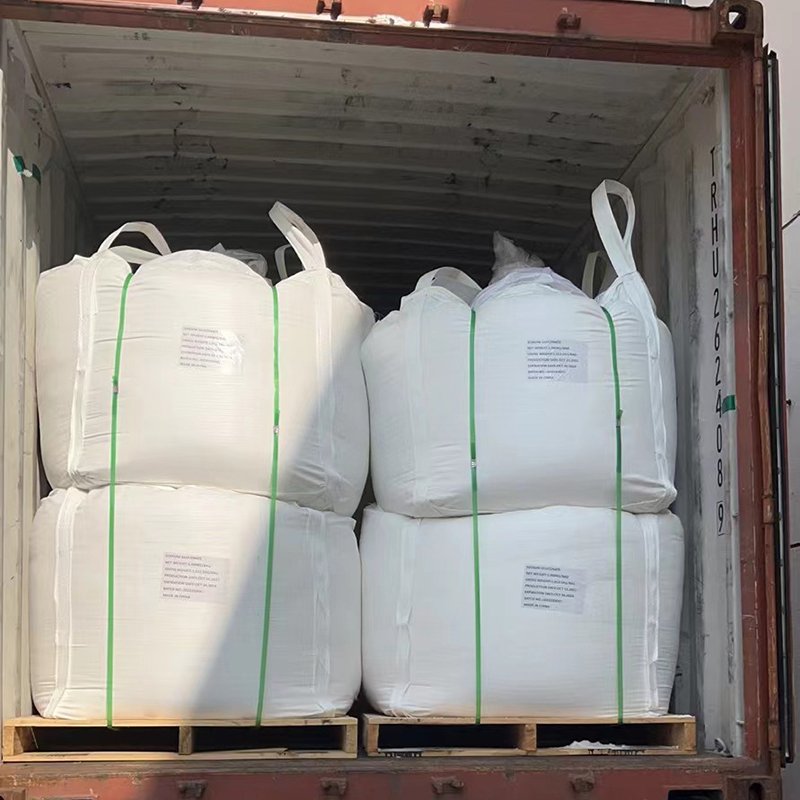
Sodium gluconate is typically packaged in 25 kg bags with PE inner liner and plastic woven outer bag. This packaging protects the product from moisture absorption during transportation and storage.
Storage Requirements
- Store in a cool, dry, and well-ventilated warehouse.
- Keep containers tightly sealed when not in use to prevent moisture absorption.
- Avoid direct sunlight and rain exposure.
- Shelf life: 24 months when stored under recommended conditions.
- Compatible with most common construction materials; avoid contact with strong oxidizing agents.
Transportation
Sodium gluconate is classified as a non-hazardous substance. Transport according to general chemical product regulations. No special hazardous materials handling procedures are required.
6. Safety & Handling
Sodium gluconate is non-toxic and generally regarded as safe for industrial handling. Standard precautions include:
- Wear protective gloves and safety goggles during bulk handling.
- Avoid inhalation of dust — use dust masks in poorly ventilated areas.
- If contact with eyes occurs, rinse thoroughly with water.
- If ingested in large quantities, consult a physician (oral LD₅₀ in rats > 2000 mg/kg).
- Fully biodegradable with low aquatic toxicity — minimal environmental impact.
7. About Shenyang Xingzhenghe Chemical
Shenyang Xingzhenghe Chemical Co., Ltd.
Shenyang Xingzhenghe Chemical is a professional chemical supplier based in Shenyang, Liaoning, China, specializing in concrete admixture raw materials, industrial chelating agents, and water treatment chemicals. We provide high-purity sodium gluconate with stable batch consistency, competitive pricing, and reliable export supply capability. Our products serve construction, cleaning, water treatment, electroplating, and textile industries worldwide.
8. FAQ
Q1: What is sodium gluconate used for in concrete?
Sodium gluconate acts as a retarder and water-reducing agent in concrete. It delays cement hydration, extends setting time, and improves workability. It is especially useful for ready-mix concrete, mass concrete pours, and construction in hot climates.
Q2: Is sodium gluconate compatible with polycarboxylate superplasticizers (PCE)?
Yes. Sodium gluconate is commonly used together with PCE systems in modern concrete admixture formulations. PCE provides cement dispersion and water reduction, while sodium gluconate contributes hydration control, setting retardation, and workability stabilization.
Q3: Is sodium gluconate an environmentally friendly alternative to EDTA?
Yes. Sodium gluconate is fully biodegradable, non-toxic, and has low aquatic toxicity. It serves as a green alternative to EDTA and phosphate-based chelating agents in applications where biodegradability and environmental safety are priorities.
Q4: What is the standard packaging for sodium gluconate?
The standard packaging is 25 kg bags with PE inner liner and plastic woven outer bag.
Q5: How should sodium gluconate be stored?
Store in a cool, dry, and well-ventilated area. Keep containers sealed to prevent moisture absorption. Properly stored, the shelf life is 24 months.