1. Product Overview
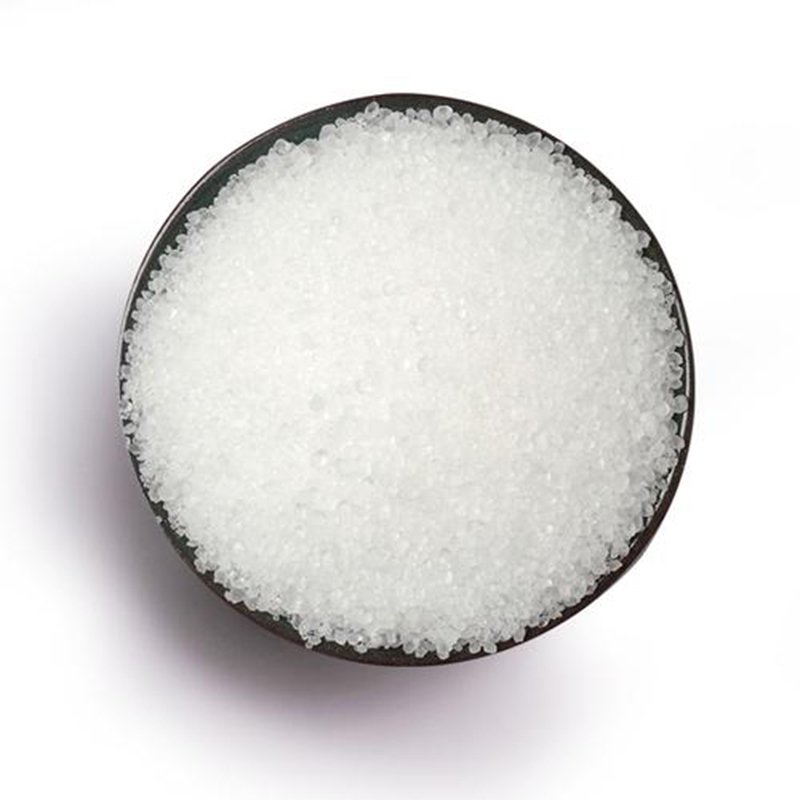
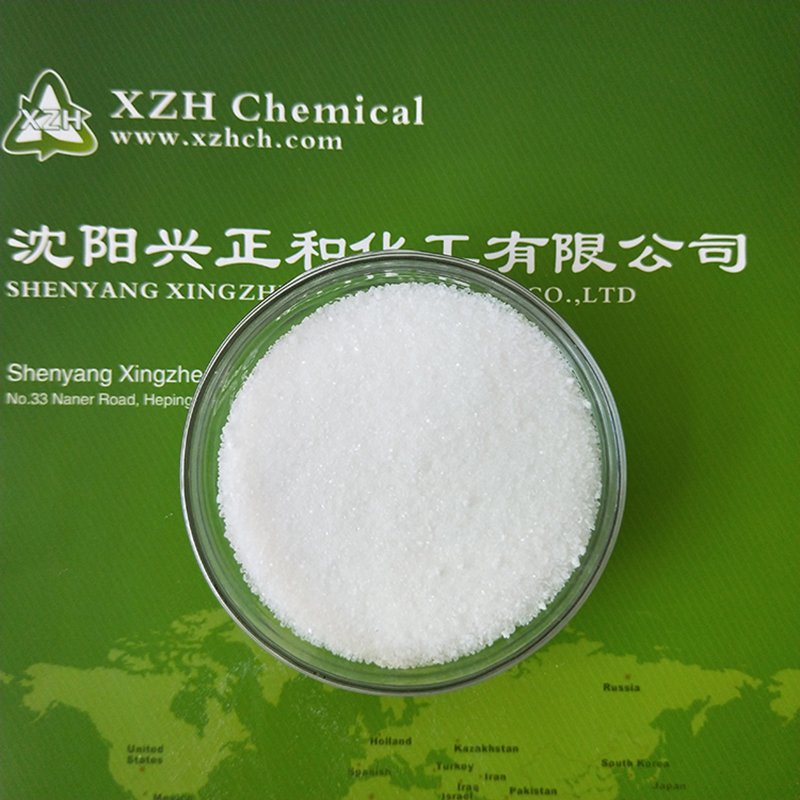
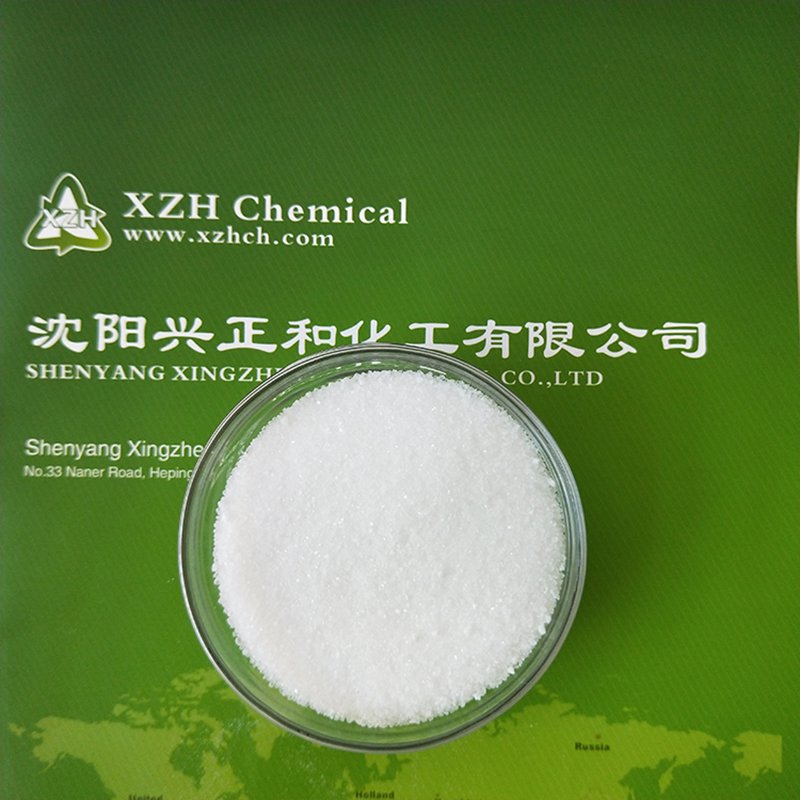
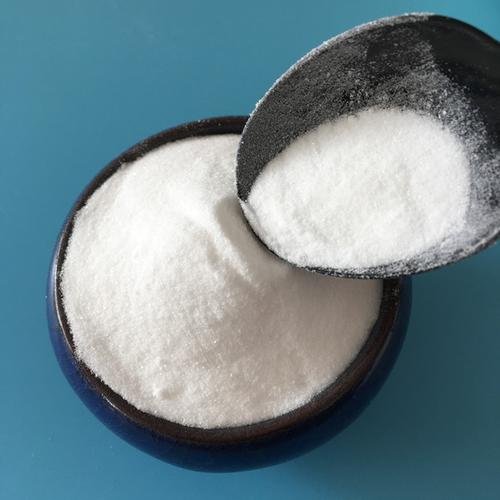
Sodium Gluconate (CAS No. 527-07-1) is a polyhydroxy carboxylic acid sodium salt with the molecular formula C₆H₁₁NaO₇ and a molecular weight of 218.14. The product appears as white or light yellow crystalline granules or powder. It is readily soluble in water, slightly soluble in alcohol, and insoluble in ether. The pH value of a 10% aqueous solution ranges from 6.2 to 7.8.
Sodium Gluconate is a biodegradable organic compound with chelating, retarding, and stabilizing properties. Its molecular structure contains multiple hydroxyl and carboxylate groups, enabling it to form stable complexes with various metal ions including calcium, magnesium, and iron. The product is available in industrial grade and food grade, with industrial grade typically containing not less than 98% active content.
In the food additive sector, Sodium Gluconate is listed under GB 2760-2024 as an acidity regulator and may be used in various food categories according to production needs.
2. Typical Technical Specifications
| Parameter | Industrial Grade | Food Grade |
|---|---|---|
| Appearance | White or light yellow crystalline granules or powder | White crystalline granules or powder |
| Content | ≥98.0% | 99.0%–102.0% |
| Loss on Drying | ≤0.5%–1.0% | ≤0.3% |
| Reducing Substances | ≤0.7%–1.0% | ≤0.5% |
| Chlorides (as Cl⁻) | ≤0.07% | — |
| Sulfates (as SO₄²⁻) | ≤0.05%–0.20% | — |
| Heavy Metals (as Pb) | ≤10 mg/kg | ≤5 mg/kg |
Note: The above data represent typical technical specifications. Values may vary by grade and batch. Please refer to the product test report for specific parameters.
3. Key Performance Characteristics
3.1 Retarding Effect
Sodium Gluconate is a commonly used retarding component in concrete. Studies indicate that the addition of sodium gluconate extends both the initial and final setting times of concrete. Under single-dosage conditions, the retarding effect increases with dosage, though strength may vary with increased dosage.
In practice, sodium gluconate is often used in combination with polycarboxylate-based superplasticizers and naphthalene-based superplasticizers. Research shows that the water reduction rate of admixtures increases with the addition of sodium gluconate, and the combined formulations provide improved workability. Appropriate dosages of retarding agents contribute to strength development across various ages.
3.2 Water-Reducing Effect
Sodium Gluconate provides a certain level of water reduction. Studies indicate that the water reduction rate of admixtures increases with the addition of sodium gluconate, and it has a relatively strong air-entraining effect on concrete.
3.3 Chelating and Scale-Inhibiting Properties
Sodium Gluconate exhibits chelating capacity for calcium, magnesium, iron, and other metal ions, forming stable complexes. When used as a water stabilizer in water treatment, it provides corrosion inhibition and scale prevention. Its notable characteristics include: synergistic effects when combined with molybdate, silicate, phosphate, tungstate, and nitrite formulations; corrosion inhibition rates that increase with temperature; and chelating ability for calcium, magnesium, and iron salts, with particularly effective chelation for Fe³⁺.
3.4 Industrial Cleaning Performance
Sodium Gluconate is widely used in steel surface cleaning and glass bottle washing. In steel surface treatment, it is used in pre-electroplating cleaning processes to help coatings bond with steel surfaces. In glass bottle washing, cleaners based on sodium gluconate provide effective dirt removal and help reduce pipeline blockages.
4. Main Application Areas
4.1 Concrete Industry
Sodium Gluconate is primarily used as a retarder and water reducer in concrete:
-
Retarding Effect: Extends initial and final setting times, suitable for high-temperature construction and mass concrete pours
-
Water Reduction: Reduces mixing water demand and improves concrete workability
-
Strength Development: Supports strength gain at various ages when combined with superplasticizers
Recommended Dosage: When used as a retarder, the suggested dosage is typically 0.03%–0.06% of cement mass. The specific dosage should be determined through trials based on construction conditions and cement type. Under single-dosage conditions, the retarding effect increases with dosage, but excessive amounts may affect concrete strength. Dosage should be kept within a reasonable range.
4.2 Industrial Cleaning
-
Steel Surface Cleaners: Used in pre-electroplating cleaning processes for galvanizing, chrome plating, tin plating, and nickel plating to help coatings bond with steel surfaces
-
Glass Bottle Cleaners: Suitable for cleaning glass containers such as beverage bottles and beer bottles
4.3 Water Treatment
Used as a water stabilizer for corrosion inhibition and scale prevention in circulating cooling water systems, low-pressure boilers, and engine cooling systems. Sodium gluconate shows synergistic effects with molybdate, silicate, phosphate, tungstate, and nitrite formulations.
4.4 Food Industry
Sodium Gluconate is used as a food additive (INS No. 576) as an acidity regulator. According to GB 2760-2024, it may be used in various food categories including flavored milk, fermented milk, prepared meat products, compound seasonings, protein beverages, and carbonated beverages, according to production needs.
4.5 Other Industrial Applications
-
Textile Industry: Used as a leveling agent
-
Electroplating Industry: Used as an aluminum oxide colorant and electroplating complexing agent
-
Pharmaceutical Field: Used for regulating acid-base balance in the body
5. Usage Recommendations and Considerations
5.1 Dosage Control
When used as a retarder in concrete, the recommended dosage is typically 0.03%–0.06% of cement mass, with specific dosages determined through trials. Under single-dosage conditions, the retarding effect increases with dosage, but strength may vary with increased dosage. Dosage should be kept within an appropriate range.
5.2 Combined Use
Sodium Gluconate is often used together with polycarboxylate-based superplasticizers and naphthalene-based superplasticizers. Studies indicate that the water reduction rate increases with the addition of sodium gluconate, and the combined formulations provide improved workability, supporting strength development across various ages.
5.3 Product Selection
Sodium Gluconate is available in industrial grade and food grade. Industrial grade is suitable for concrete, industrial cleaning, and water treatment; food grade should be used in food applications in accordance with GB 2760 standards.
5.4 Storage Conditions
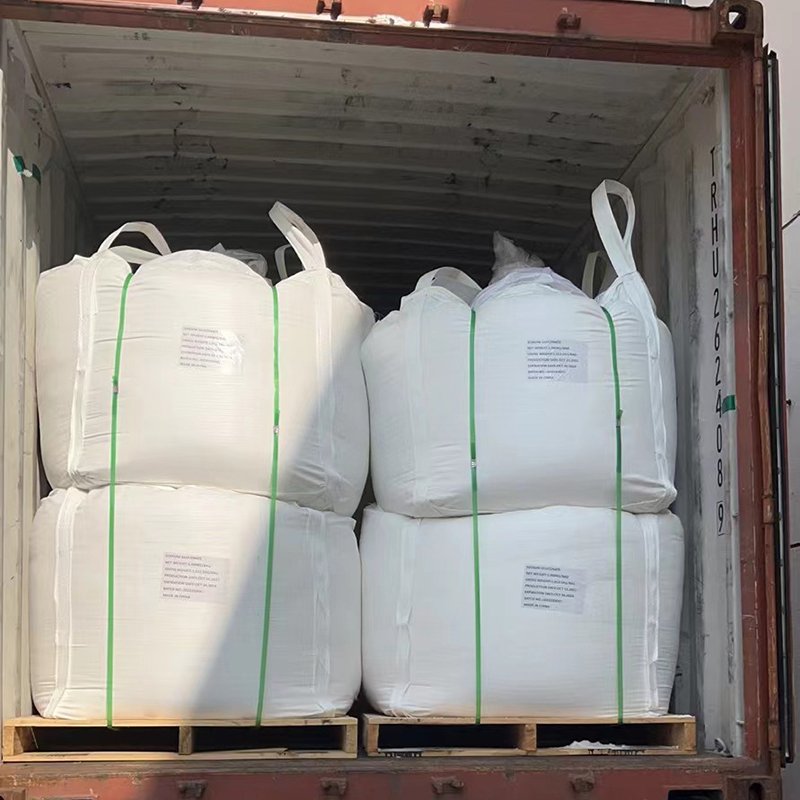
The product should be stored in sealed containers in a cool, ventilated, and dry place to avoid moisture absorption and caking. It should not be stored together with toxic or contaminated chemicals.
6. How to Choose Sodium Gluconate Products?
When selecting sodium gluconate products, consider the following aspects:
1. Content
Content is a key indicator of product quality. Industrial grade generally requires not less than 98% content, with food grade requiring higher levels.
2. Reducing Substance Content
Reducing substance content reflects product purity. Industrial grade typically requires ≤1.0%, while food grade requires ≤0.5%.
3. Insoluble Matter and Impurity Control
Quality products contain low levels of water-insoluble matter, with heavy metals and other impurities meeting applicable standards.
4. Application Matching
Select the appropriate grade and specification based on the intended use: industrial grade for concrete, industrial cleaning, and water treatment; food grade for food applications.
5. Supplier Qualifications
Choose suppliers that can provide product test reports, reliable supply capability, and technical support.
7. About Shenyang Xingzhenghe Chemical
Shenyang Xingzhenghe Chemical Co., Ltd. (www.xzhch.com) is a supplier specializing in concrete admixtures and construction chemical raw materials, established in 2009. The company’s product range includes sodium gluconate, lignosulfonate series, polycarboxylate superplasticizers, and naphthalene-based superplasticizers.
The company has experience in the supply of sodium gluconate products, serving applications including concrete retardation and water reduction, industrial cleaning, and water treatment, with distribution across domestic regions and international markets.
8. Conclusion
Sodium gluconate, as a versatile organic salt, provides retarding, water-reducing, chelating, and scale-inhibiting functions in concrete, industrial cleaning, water treatment, and other applications. When selecting sodium gluconate products, factors such as content specifications, application matching, and supplier capabilities may be considered.
Shenyang Xingzhenghe Chemical Co., Ltd. is committed to providing sodium gluconate and related construction chemical raw material solutions to its customers.
Contact Us:
Company: Shenyang Xingzhenghe Chemical Co., Ltd.
Website: www.xzhch.com
Phone: +86 13889850231
Email: sales01@xzhch.com
Address: No. 33, Nan’er Road, Heping District, Shenyang, China