I. Product Overview
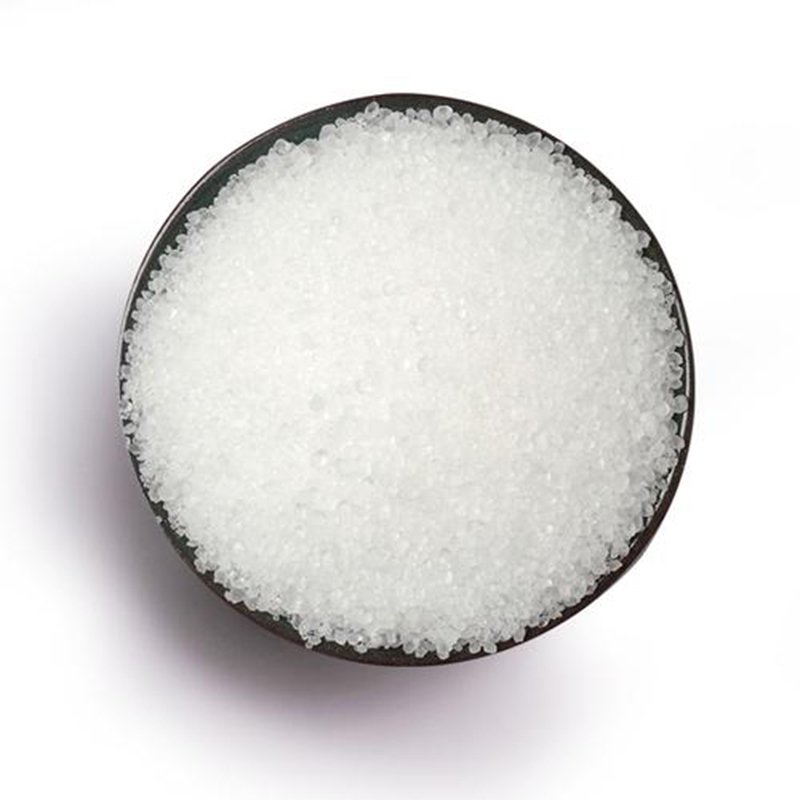
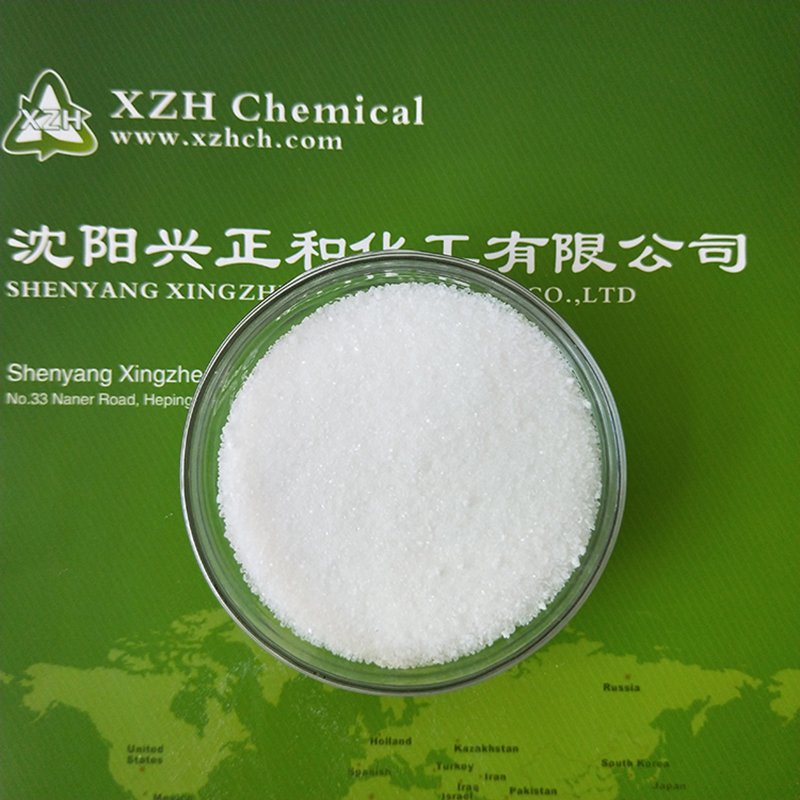
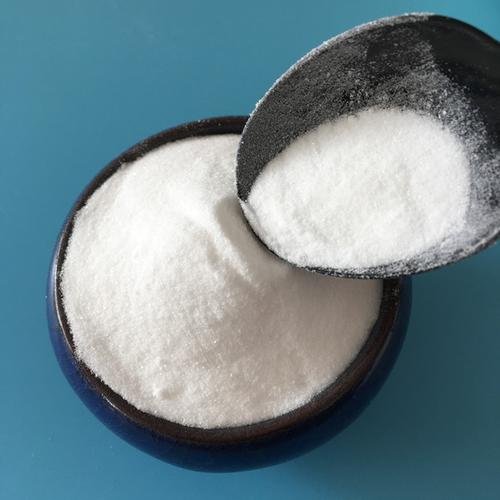
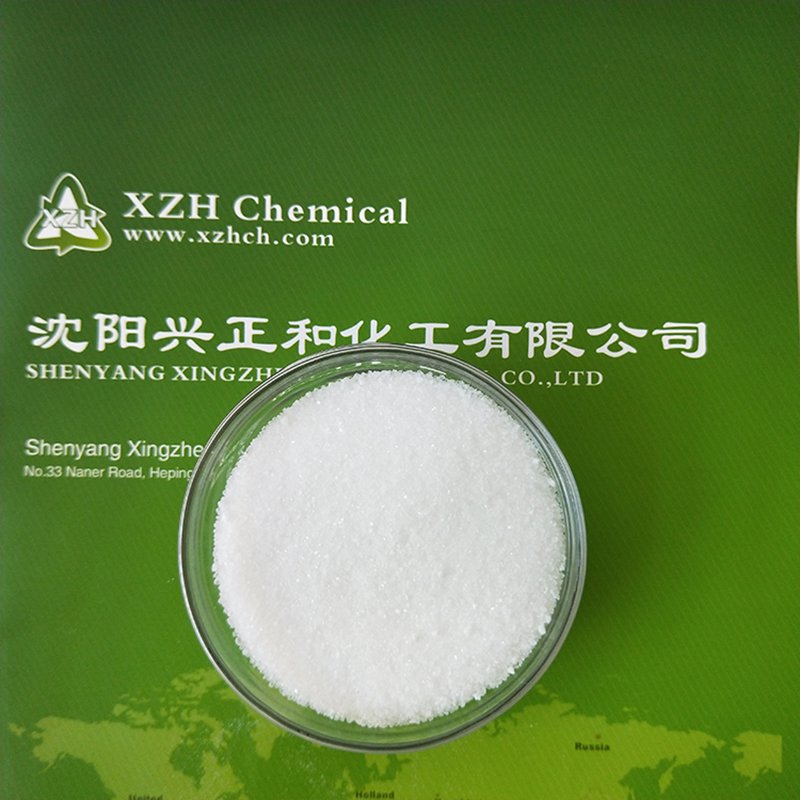
Sodium gluconate is a polyhydroxy carboxylic acid sodium salt with the molecular formula C₆H₁₁NaO₇ and molecular weight of 218.14. Its appearance is white or light yellow crystalline particles or powder. The product is highly soluble in water, slightly soluble in alcohol, and insoluble in ether. The multiple hydroxyl and carboxyl groups in its molecular structure provide a range of functional properties, including chelation, retardation, and dispersion, enabling its widespread use in concrete admixtures, surface cleaning, water treatment, food, and pharmaceutical applications.
As a food additive, sodium gluconate is listed in the national standard GB 2760 as an acidity regulator (CNS No. 01.312, INS No. 576) and can be used in various food categories according to production requirements. Its safety and functionality have been fully validated in industrial applications.
II. Applications in Concrete Engineering
Retarding Function
Sodium gluconate is one of the commonly used retarders in concrete engineering. Research indicates that sodium gluconate has a significant auxiliary plasticizing effect on concrete, and this effect increases with higher dosage. When incorporated into cement-based materials, sodium gluconate effectively extends both the initial and final setting times of concrete, providing a more generous operational window for long-distance transportation, high-temperature construction, and mass concrete pouring.
In the production of precast concrete components, surface retardation technology can be applied to delay the setting of the surface cement paste. After subsequent washing to remove the surface paste, uniform aggregate is exposed, which enhances the bond strength between precast components and cast-in-place concrete, effectively preventing delamination, cracking, and spalling. Sodium gluconate has clear application value as a retarding component in this process.
Water Reduction and Strength Enhancement
In addition to its retarding function, sodium gluconate also exhibits water-reducing effects. Research shows that when sodium gluconate is combined with high-performance water reducers, it improves the flowability of cement paste, significantly extends initial setting time, and enhances both early and later strengths of cement mortar. When sodium gluconate is incorporated into concrete as an active component, improvements in both compressive strength and impermeability of the concrete are observed.
Dosage Control Considerations
The appropriate dosage of sodium gluconate must be strictly controlled according to specific application scenarios. Research indicates that the suitable dosage is generally 0.03% to 0.07% of cement weight. When the dosage exceeds 0.1%, excessive retardation may lead to a significant reduction in concrete strength. Other studies have shown that at a dosage of 0.15%, the 28-day compressive strength ratio and the 23-day and 56-day impermeability pressure ratios of concrete can reach good levels. Therefore, in practical applications, small-batch trials are recommended to determine the optimal dosage, balancing retardation requirements with strength development.
When incorporated into ready-mixed mortar, sodium gluconate increases mortar consistency, extends setting time, and reduces loss of consistency over time. Although early strength may show a slight reduction, the 28-day strength can be improved to varying degrees.
III. Applications in Surface Cleaning and Water Treatment
Steel and Glass Bottle Cleaning
Sodium gluconate has established applications in steel surface cleaning. Steel billets require thorough cleaning before surface treatments such as galvanizing, chrome plating, tin plating, and nickel plating to ensure strong bonding between the coating and the substrate. As a component of cleaning agents, sodium gluconate effectively removes surface oxides and contaminants, achieving satisfactory cleaning results.
In glass bottle cleaning agent formulations, sodium gluconate is a key ingredient. Compared with traditional cleaning agents, formulations containing sodium gluconate offer advantages such as strong dirt-removing power, reduced clogging of nozzles and piping, effective removal of labels and rust from bottle necks, and no harmful residues after washing, making them environmentally friendly.
Water Stabilization and Scale Inhibition
Sodium gluconate has a strong complexing ability for calcium, magnesium, and iron salts, particularly showing excellent chelation for Fe³⁺. When used as a corrosion and scale inhibitor in circulating cooling water systems, its corrosion inhibition rate increases with rising temperature—a characteristic opposite to most inhibitors, providing an advantage in high-temperature operating conditions. Additionally, sodium gluconate used in water treatment systems is environmentally friendly and meets relevant environmental protection requirements.
IV. Packaging and Supply
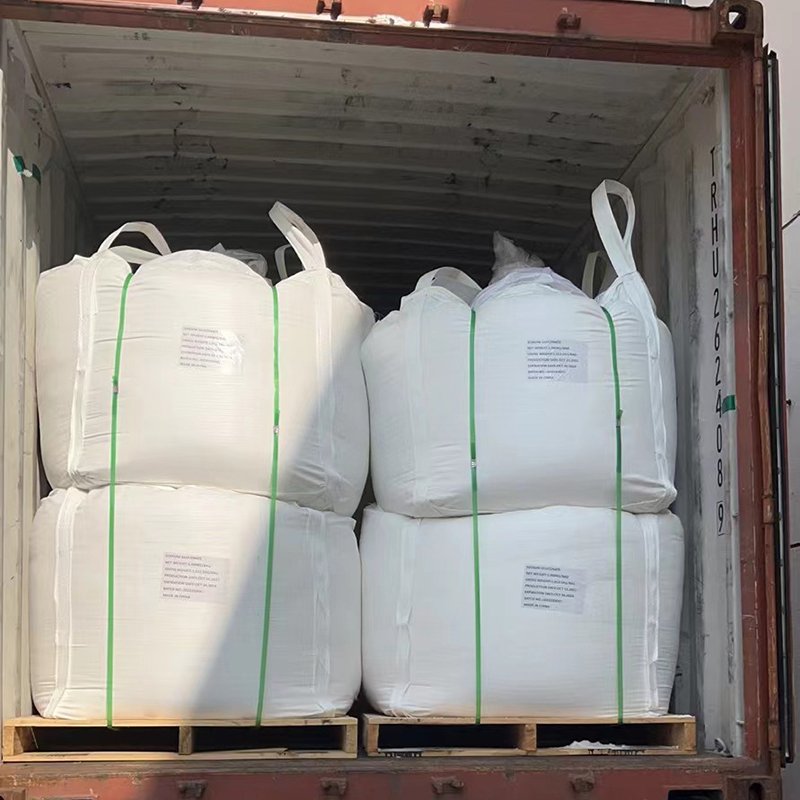
Sodium gluconate products are supplied as white crystalline particles or powder, with standard purity grades typically reaching 98%–99%. The standard packaging is generally 25 kg inner-plastic and outer-woven bags, supporting flexible supply models from sample trials to full truckload shipments. Products should be stored in a cool, dry place to prevent moisture absorption and caking. Under normal storage conditions, product performance remains stable within the shelf life.