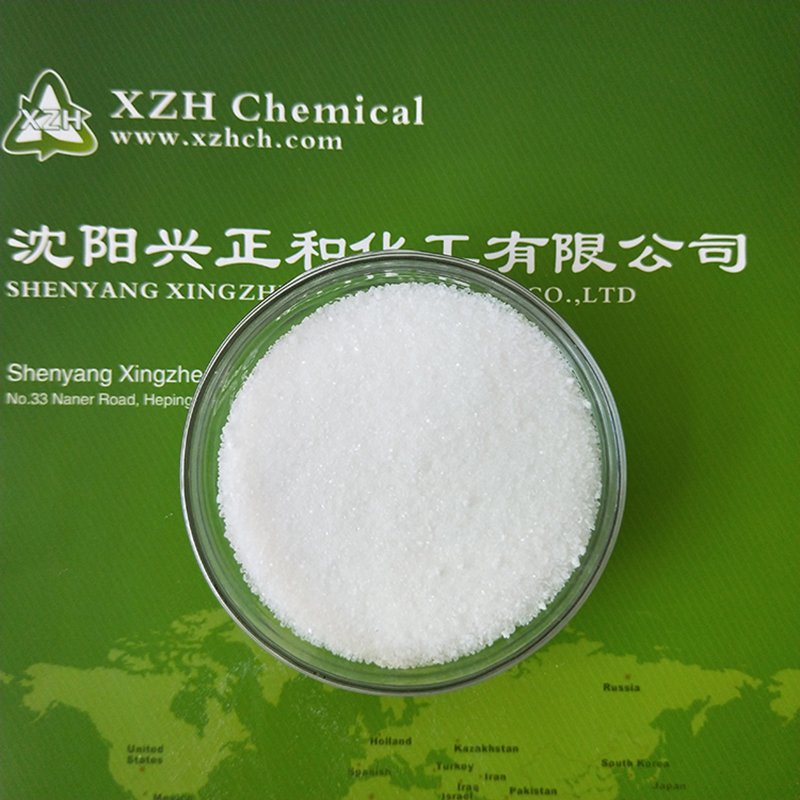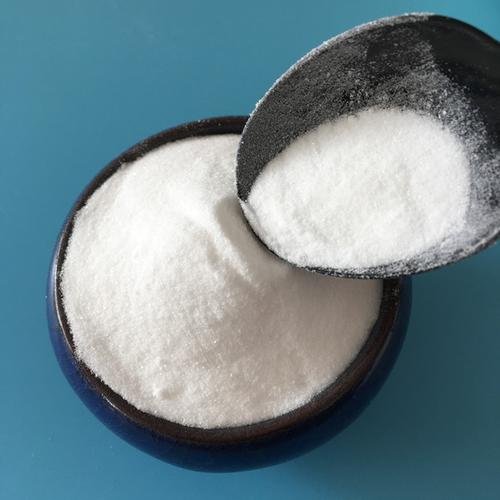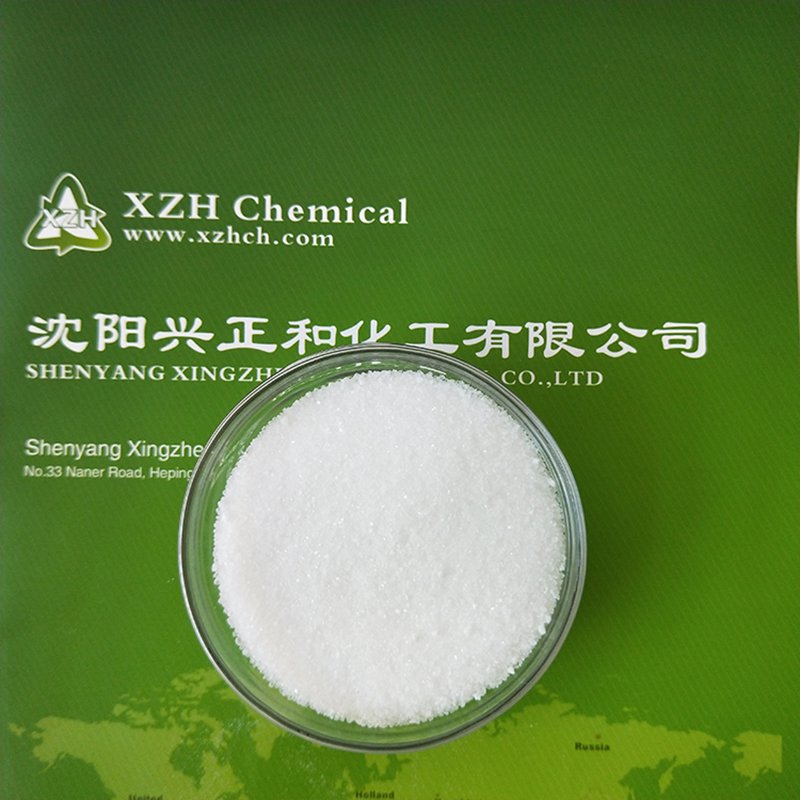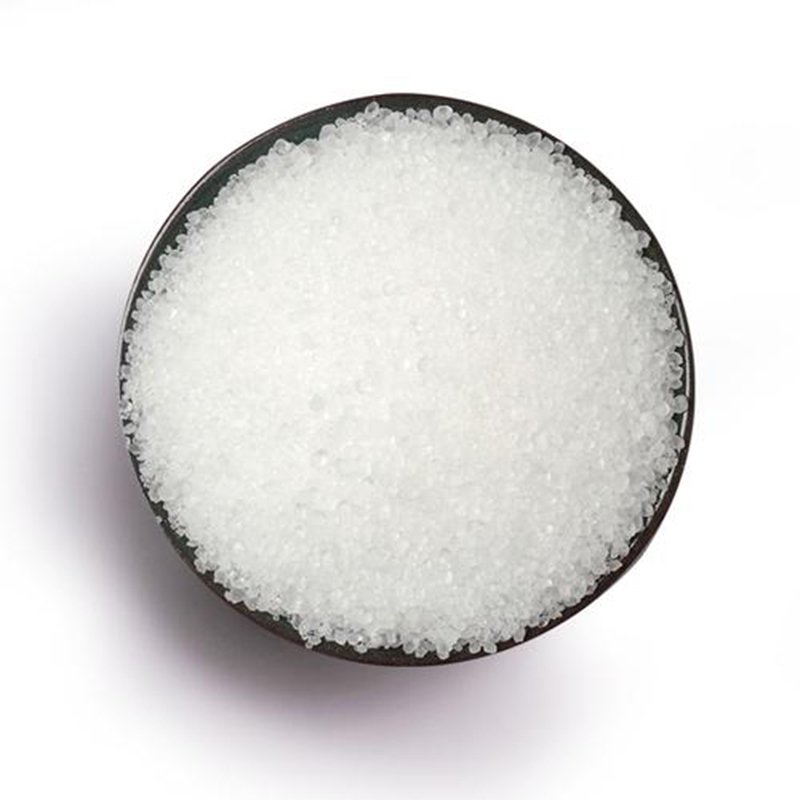
Sodium gluconate is the sodium salt of gluconic acid and is commonly supplied as white or off-white crystals, granules or powder. It is readily soluble in water and has useful chelating properties. In industrial formulations, it may be used in concrete admixtures, industrial cleaners, water-treatment products, metal-surface treatment systems and other formulated products. In construction chemicals, sodium gluconate is often used to regulate cement hydration, extend workable time and support slump retention when combined with water-reducing admixtures. This article introduces its basic properties, functions, application areas, selection points and handling considerations.
CONTENTS
1. What is sodium gluconate?
2. Basic properties of sodium gluconate
3. Main functions of sodium gluconate
4. Use in concrete admixtures
5. Other industrial applications
6. How to select sodium gluconate
7. Application notes and precautions
8. Storage, packaging and transport
9. Frequently asked questions
1. What Is Sodium Gluconate?
Sodium gluconate is the sodium salt of gluconic acid. Its English name is Sodium Gluconate. Industrial production commonly involves glucose fermentation or oxidation followed by neutralization and crystallization. The finished product is generally supplied as white or off-white crystalline powder, granules or fine powder and is readily soluble in water.
The molecule contains several hydroxyl groups and a carboxylate group, allowing it to interact with calcium, iron, copper and other metal ions. This structure explains why sodium gluconate is used not only to regulate cement hydration but also as a chelating component, cleaning aid and formulation stabilizer.
Product positioning: Sodium gluconate is an industrial raw material and functional additive used in formulated products. It is not a finished concrete product or cleaning product by itself.
2. Basic Properties of Sodium Gluconate
Product quality may vary with manufacturing process and grade. Purity, moisture, reducing substances, chloride, sulfate, color and particle size should be checked against the technical data sheet, certificate of analysis and application requirements.
Item
General Description
Product name
Sodium gluconate
Chemical type
Sodium salt of gluconic acid
Typical appearance
White or off-white crystals, granules or powder
Water solubility
Generally readily soluble in water
Main characteristics
Retarding, chelating and formulation-support functions
Main uses
Concrete admixtures, industrial cleaning, water treatment, metal treatment
Common packaging
Moisture-resistant bags with an inner plastic liner
Storage
Keep sealed in a cool, dry and ventilated place
2.1 Water Solubility
Sodium gluconate generally dissolves readily in water, making it suitable for liquid admixture blending and dry premix formulations. At low temperature or high concentration, dissolution may be affected by agitation, addition sequence and the concentration of other salts in the solution.
2.2 Chelating Ability
Sodium gluconate can form complexes with several metal ions. In cleaning and water-treatment formulations, this helps reduce interference from hardness ions or dissolved metals. In cement systems, interactions with calcium ions also contribute to its effect on hydration and setting.
2.3 Storage Stability
Under normal storage conditions, sodium gluconate is relatively stable. The powder may absorb moisture, however, and may cake if exposed to humid air. Opened bags should therefore be resealed promptly and protected from water and contamination.
3. Main Functions of Sodium Gluconate
Main Function
Typical Role in a Formulation
Retarding
Regulates cement hydration and extends workable time
Chelating
Binds certain metal ions and reduces their interference
Workability support
Helps maintain flow when blended with water reducers
Cleaning support
Assists with scale, hardness ions and some deposits
Water-quality control
Supports selected water-treatment formulations
3.1 Retarding Effect
Sodium gluconate can adsorb on cement particles or early hydration products and interact with calcium ions. At a suitable dosage, it may extend the setting time of concrete or mortar and provide more time for transportation, pumping, placement and finishing.
The actual effect depends on cement type, ambient temperature, supplementary cementitious materials, water-reducer type, water content and dosage. A dosage used in one project should not be transferred to another formulation without testing.
3.2 Chelating and Dispersion Support
Its hydroxyl and carboxylate groups allow sodium gluconate to interact with metal ions. In cleaners, water-treatment products and metal-surface formulations, this property can improve tolerance to hardness ions and help control dissolved metals.
3.3 Compatibility with Other Additives
In concrete-admixture formulations, sodium gluconate is often blended with polycarboxylate superplasticizers, naphthalene-based water reducers or other retarding components. Sodium gluconate mainly regulates setting and workability retention, while the water reducer primarily lowers water demand and improves flow. The blend ratio should be established through compatibility testing.
4. Use of Sodium Gluconate in Concrete Admixtures
Sodium gluconate is a common retarding component in concrete-admixture formulations. It may be used when longer working time, reduced slump loss or better control of setting under warm conditions is required.
Application
Formulation Objective
Ready-mix concrete
Supports transport and placement time
Hot-weather concrete
Helps control accelerated setting
Mass concrete
Supports placement planning and hydration control
Pumped concrete
Helps maintain workability during pumping
Premixed mortar
Regulates workable time on site
Admixture blending
Used with water reducers and slump retainers
4.1 Extending Workable Time
Concrete may need to remain workable during long-distance transport, large placements or complex construction operations. By slowing early hydration, sodium gluconate can help reduce the risk of rapid loss of workability.
4.2 Supporting Slump Retention
Sodium gluconate is not the main water-reducing component, but it can support slump retention in blended admixture systems. Its performance depends on the molecular structure of the polycarboxylate superplasticizer, cement sulfate balance, clay content and temperature.
4.3 Use in Hot Weather
Higher temperature usually accelerates cement hydration and shortens setting time. Under hot-weather conditions, sodium gluconate may be used after testing to regulate the setting process. Excess dosage, however, can cause excessive delay and may affect formwork removal and early strength development.
4.4 Influence on Strength Development
A properly adjusted retarding system may support construction control and a more even hydration process. An excessive dosage can slow early strength development. Testing should therefore include initial and final setting time, early strength and later-age strength, not slump alone.
Formulation note: The dosage of sodium gluconate in concrete should be established by cement paste, mortar and concrete trials. Recommended checks include setting time, slump retention, air content, bleeding, early strength and later-age strength.
5. Other Industrial Applications
5.1 Industrial Cleaning
In alkaline cleaners, equipment cleaners and hard-surface cleaning formulations, sodium gluconate may be used as a chelating and cleaning-support ingredient. It can interact with calcium, iron and other metal ions, helping reduce their effect on cleaning performance.
5.2 Water Treatment
Sodium gluconate may be used in selected circulating-water, cleaning-water and industrial water-treatment formulations as a chelating or stability-support ingredient. Suitability depends on water hardness, temperature, pH and compatibility with other scale-control, corrosion-control or dispersing components.
5.3 Metal-Surface Treatment
Sodium gluconate is used in some metal-cleaning, surface-treatment and electroplating-support formulations. Its chelating ability can help control certain metal ions, but performance must be verified for the specific bath composition, pH, temperature and process.
5.4 Textile, Paper and Other Formulations
In selected textile auxiliaries, paper chemicals and water-based industrial formulations, sodium gluconate may be used to control metal ions, improve water-quality tolerance or support dispersion. Different applications may require different limits for purity, color, impurities and particle size.
6. How to Select Sodium Gluconate
• Define the application: concrete admixture, industrial cleaner, water treatment or metal-surface treatment.
• Review purity and impurities: consider assay, moisture, reducing substances, chloride and sulfate.
• Check dissolution: for liquid formulations, evaluate dissolution speed, clarity and storage behavior.
• Consider color and particle size: these may matter in light-colored products and automatic feeding systems.
• Run compatibility tests: concrete applications should be tested with the actual cement, supplementary materials and water reducer.
• Verify batch consistency: sample testing and a small production trial can reduce formulation risk.
Application Area
Recommended Checks
Concrete admixtures
Setting, slump retention, early strength, compatibility
Industrial cleaners
Chelation, alkaline stability, cleaning performance
Water treatment
Hard-water tolerance, pH stability, chemical compatibility
Metal treatment
Metal-ion control and process stability
Automatic powder feeding
Particle size, flowability, moisture sensitivity
7. Application Notes and Precautions
7.1 Conduct Preliminary Trials
The required dosage varies with cement type, ambient temperature, target setting time and the complete formulation. Laboratory trials and, when necessary, site trials should be carried out before regular production.
7.2 Control the Dosage
In cement-based materials, a small dosage change may noticeably affect setting. Too little may provide insufficient retardation, while too much may lead to prolonged setting, reduced early strength or project delays.
7.3 Manage the Addition Sequence
In liquid admixture production, sodium gluconate may be dissolved in water before other components are added, or introduced in stages according to the process. Local high concentration should be avoided, and the mixture should be agitated until uniform.
7.4 Consider Seasonal Temperature Changes
Cement hydration is slower at low temperature, so the same retarder dosage may cause a longer delay in winter. At high temperature, stronger retarding adjustment may be needed. Summer and winter formulations should therefore be verified separately.
7.5 Retest When Cement Changes
Clinker composition, gypsum type, alkali content and mineral additions can all influence performance. When the cement source or mix design changes, admixture compatibility should be checked again.
8. Storage, Packaging and Transport
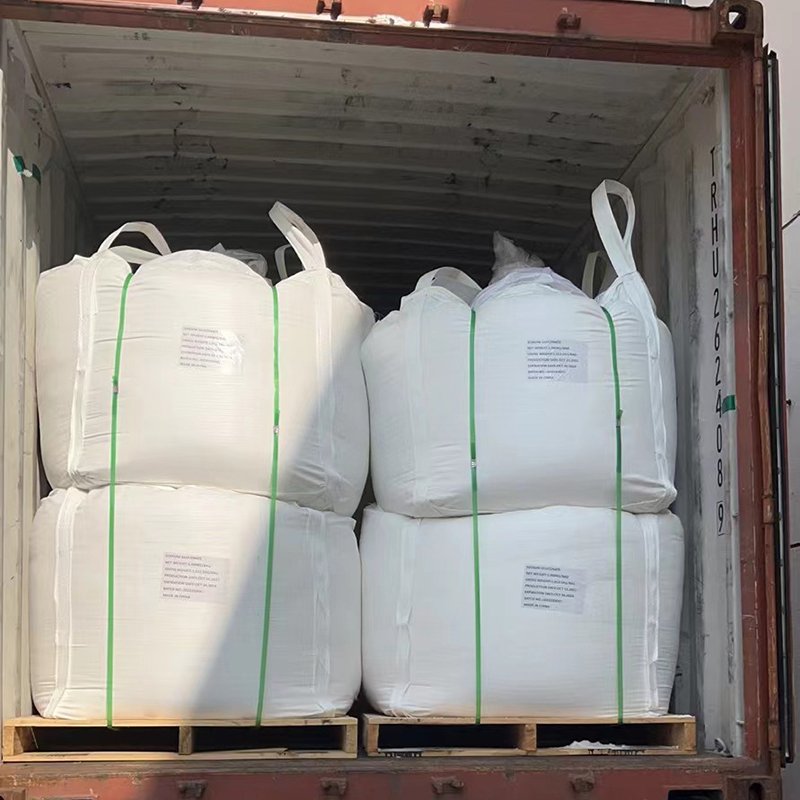
Sodium gluconate powder should be stored in a cool, dry and ventilated warehouse and protected from rain, direct sunlight and moisture. Damaged packaging may allow the product to absorb moisture and form lumps, so bags should be handled and stacked carefully.
Common packaging includes moisture-resistant composite bags with an inner plastic liner. Net weight, pallet arrangement and container loading quantity should be confirmed according to the supplier’s packaging specification and transport requirements.
Safety note: Follow the product safety data sheet. Minimize dust during handling and maintain good housekeeping. If material enters the eyes or remains on the skin, rinse with clean water and follow the site safety procedure.
9. Frequently Asked Questions
Q1. What is the main function of sodium gluconate in concrete?
A. It is mainly used to regulate cement hydration and setting and to support workable time and flow retention in blended admixture systems.
Q2. Is sodium gluconate a water reducer?
A. It is not the main water-reducing component. It is usually used as a retarding and workability-adjustment ingredient together with polycarboxylate or other water reducers.
Q3. Does a higher dosage always give a better result?
A. No. A higher dosage usually increases retardation, but excessive dosage can cause very long setting time and lower early strength.
Q4. Can sodium gluconate increase concrete strength?
A. Its main role is setting and workability control. The influence on strength depends on dosage, cement and curing conditions, so strength improvement should not be assumed without testing.
Q5. Can sodium gluconate be used with a polycarboxylate superplasticizer?
A. Yes. The two are often used together, but the ratio should be confirmed by cement paste, mortar and concrete testing.
Q6. Can caked sodium gluconate still be used?
A. Light caking does not always mean chemical failure, but it may affect weighing and dissolution. Packaging condition, solubility and quality results should be checked before use.
Q7. Is sodium gluconate the same as sodium citrate?
A. No. Both can interact with metal ions, but their structures, retarding strength, pH response and formulation behavior are different. They should not be substituted at the same dosage without testing.
10. Conclusion
Sodium gluconate is a functional raw material with retarding and chelating properties. It is used in concrete admixtures, industrial cleaning, water treatment and metal-surface treatment. In concrete formulations, it can help regulate setting and workability, but performance depends on cement, temperature, water reducer and dosage. Selection should therefore be based on technical data, sample evaluation and application testing rather than on a single parameter.
Need Sodium Gluconate Product Information?
Shenyang Xingzhenghe Chemical Co., Ltd. can provide sodium gluconate and related raw-material information for concrete-admixture blending, industrial cleaning, water treatment and other industrial formulations.
Product grade, packaging and dosage should be confirmed through testing with the customer’s raw materials, process and performance targets.
Shenyang Xingzhenghe Chemical Co., Ltd.