Understanding Sodium Gluconate for Concrete Retarding, Water Treatment, Industrial Cleaning and Metal Surface Treatment
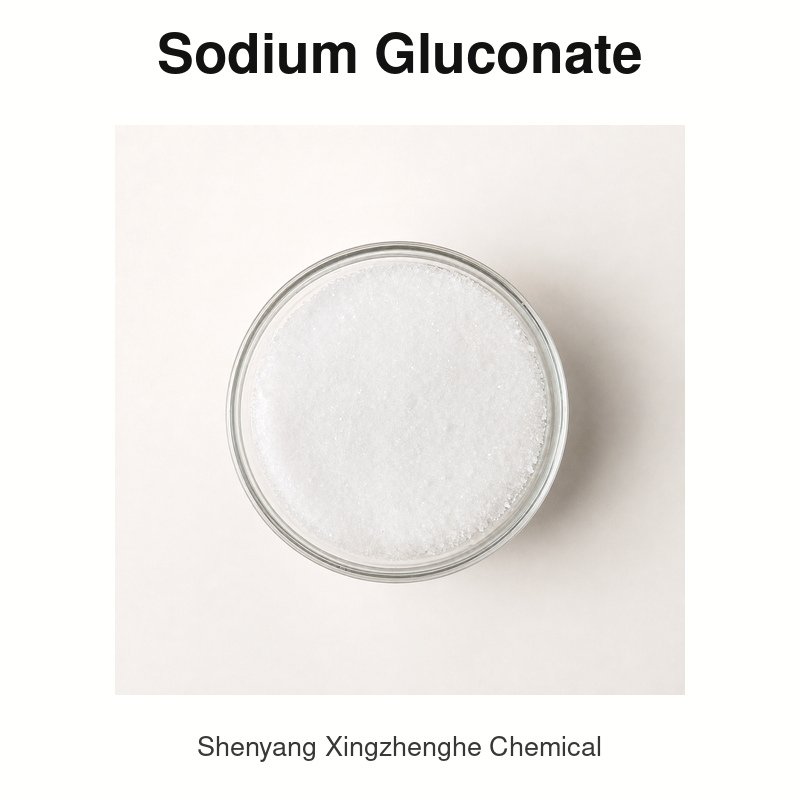
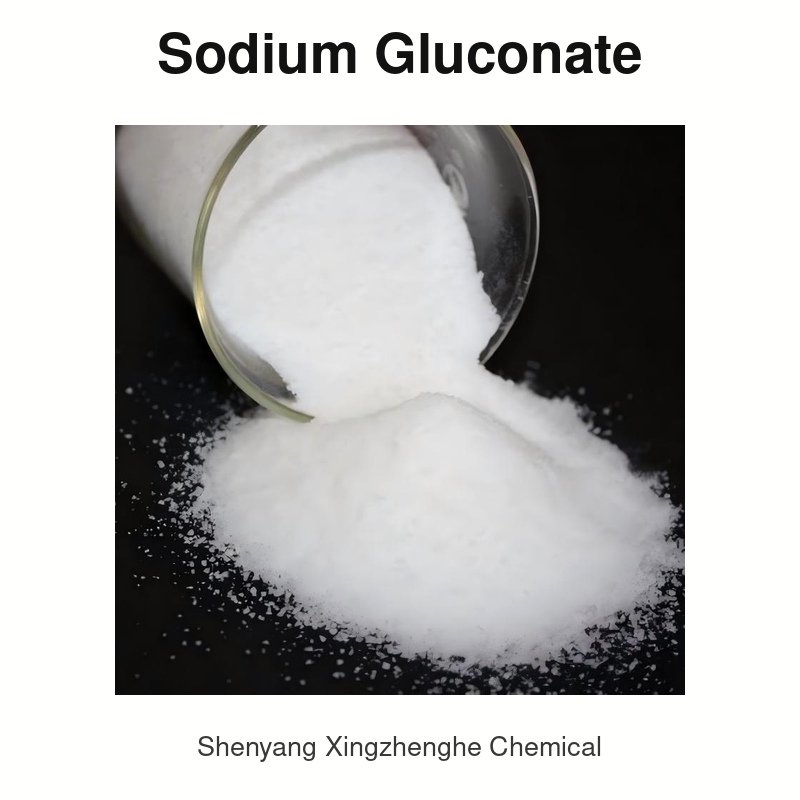
Sodium Gluconate is a commonly used organic sodium salt with good water solubility. It usually appears as a white or off-white crystalline powder or granule. Because of its complexing, dispersing and retarding properties, Sodium Gluconate is widely used in concrete admixtures, water treatment, industrial cleaning, metal surface treatment and other industrial applications.
For buyers and manufacturers, choosing Sodium Gluconate should not only depend on the product name or price. It is more important to consider the application, purity, appearance, solubility, pH value, loss on drying, impurities, packaging and compatibility with the actual formulation.
What Is Sodium Gluconate?
Sodium Gluconate is the sodium salt of gluconic acid. It has good solubility in water and can form complexes with metal ions such as calcium, magnesium and iron. Because of this property, it is often used as a chelating agent, retarder, cleaning auxiliary and water treatment additive.
In industrial applications, Sodium Gluconate is commonly supplied in powder or granular form, which makes it convenient for storage, transportation and dosing. Before large-scale use, it is recommended to test the product in the actual formulation to confirm its suitability.
Sodium Gluconate in Concrete Admixtures
One of the common applications of Sodium Gluconate is in concrete admixtures. It is often used as a retarding component in concrete systems and admixture formulations.
In concrete, Sodium Gluconate can help delay cement hydration and extend the workable time of concrete. It is commonly used in hot weather construction, long-distance concrete transportation, pumped concrete, mass concrete and other projects where setting time control is required.
Sodium Gluconate is also used together with polycarboxylate superplasticizer, naphthalene superplasticizer and other admixture systems. However, its actual performance may vary depending on cement type, mineral admixtures, temperature, water-cement ratio and other formulation conditions. Therefore, laboratory testing is recommended before practical use.
Key points for concrete applications include:
Sodium Gluconate content, solubility, pH value, loss on drying, impurities, compatibility with cement and admixtures, recommended dosage and construction temperature.
Sodium Gluconate in Water Treatment
Sodium Gluconate can also be used in water treatment systems as a complexing and stabilizing agent. It can complex with metal ions and help reduce the influence of calcium, magnesium, iron and other ions in certain water treatment formulations.
In circulating water treatment, boiler water treatment and industrial water systems, Sodium Gluconate may be used as an auxiliary ingredient. Its performance is related to water quality, pH, temperature and compatibility with other water treatment chemicals.
For water treatment use, buyers usually need to pay attention to purity, water insoluble matter, chloride, sulfate, heavy metals and other impurity indicators.
Sodium Gluconate in Industrial Cleaning
In industrial cleaning formulations, Sodium Gluconate is often used as a chelating agent and cleaning auxiliary. It can be applied in metal cleaning, bottle washing, equipment cleaning, alkaline cleaning agents and other cleaning systems.
Because Sodium Gluconate has the ability to complex metal ions, it can help improve the stability of cleaning formulations. It is especially useful in some alkaline cleaning systems where metal ion control is required.
The dosage of Sodium Gluconate in cleaning formulations should be adjusted according to dirt type, cleaning temperature, cleaning time, pH value and compatibility with other additives.
Sodium Gluconate in Metal Surface Treatment
Sodium Gluconate is also used in metal surface treatment, including metal cleaning, surface treatment solutions and some auxiliary plating systems. In these applications, it mainly works through its ability to complex metal ions and improve solution stability.
For metal surface treatment, buyers should pay attention to impurity levels, heavy metals, chloride content and solubility. Different metals and surface treatment processes may require different product specifications.
Other Applications of Sodium Gluconate
In addition to concrete, water treatment, industrial cleaning and metal surface treatment, Sodium Gluconate can also be used in textile dyeing, paper making, daily chemical cleaning, agricultural additives and other fields.
In different systems, it may function as a chelating agent, dispersing agent, stabilizer or formulation auxiliary. Since formulations vary from industry to industry, the actual application should be confirmed according to product specifications and testing results.
How to Choose Sodium Gluconate
When purchasing Sodium Gluconate, the following factors are worth checking:
Appearance
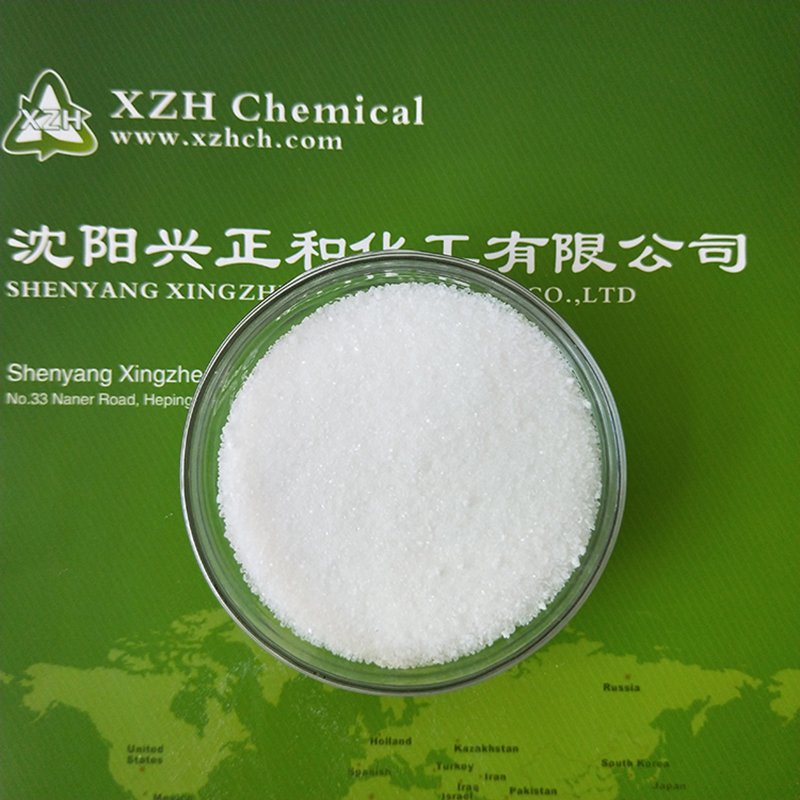
Common Sodium Gluconate appears as white or off-white crystalline powder or granules. The product should be free from obvious caking and visible impurities.
Purity
Purity is an important indicator for evaluating Sodium Gluconate quality. Different industries may require different specifications.
Solubility
Sodium Gluconate is usually easily soluble in water, which makes it suitable for water-based systems.
pH Value
The pH value may affect compatibility in concrete admixtures, water treatment and cleaning formulations.
Loss on Drying
This indicator reflects the moisture level of the product and may influence storage stability and dosing calculation.
Impurity Indicators
Chloride, sulfate, heavy metals, arsenic and reducing substances should be checked according to the final application.
Packaging and Storage
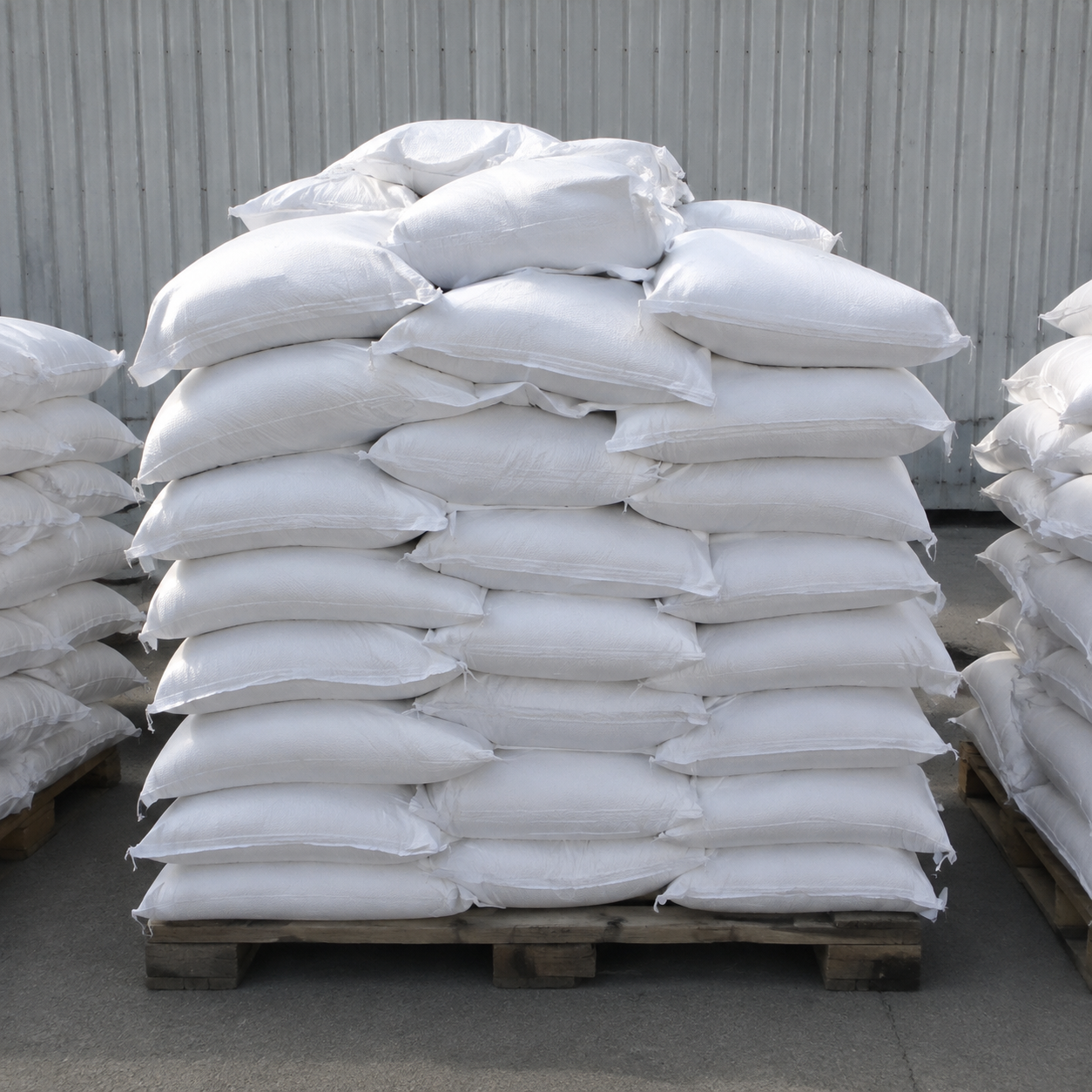
Sodium Gluconate is usually packed in bags. It should be stored in a cool, dry and ventilated place, protected from moisture and contamination.
Notes for Using Sodium Gluconate
Although Sodium Gluconate is widely used, the dosage should be carefully controlled according to the application. In concrete systems, excessive dosage may significantly extend setting time and affect early strength development.
In water treatment, cleaning and metal surface treatment systems, the product should be tested together with other formulation components to avoid compatibility issues.
Conclusion
Sodium Gluconate is a practical chemical raw material used in concrete retarding, water treatment, industrial cleaning, metal surface treatment and other fields. For buyers, proper selection should be based on application requirements, technical specifications and formulation testing.
Before bulk purchasing or large-scale use, sample testing is recommended to confirm product performance in the actual system.