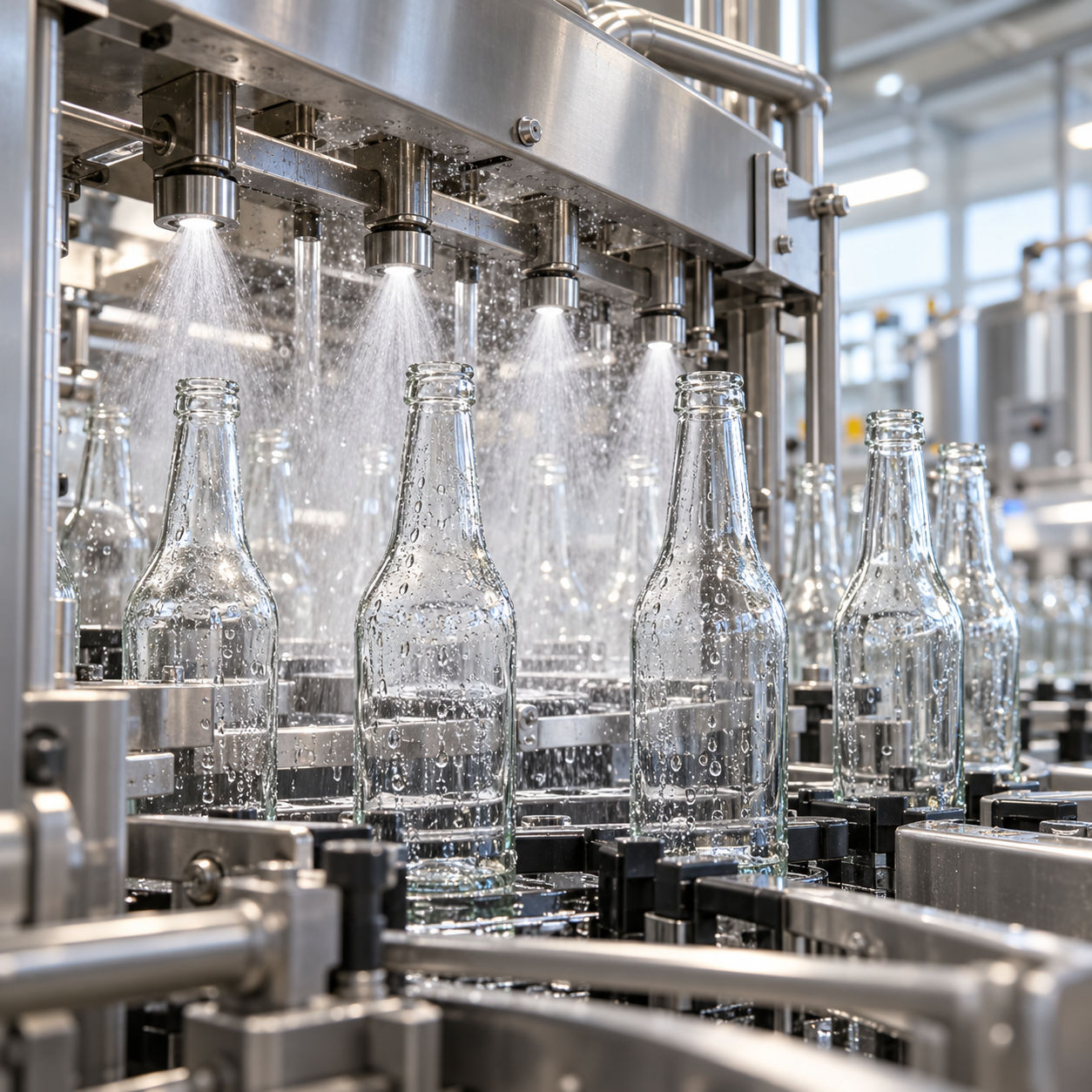
Copper electroplating depends on the chemistry of the plating bath and the conditions used during deposition. Complexing agents can influence how copper ions behave in solution, which is why sodium gluconate may be evaluated in certain copper plating formulations.
Its role depends on the complete bath composition and operating conditions. The results should be assessed through controlled trials using the intended substrate and plating process.
What Is the Role of a Complexing Agent in Copper Plating?
A complexing agent interacts with metal ions in solution. In a copper plating bath, this interaction can affect copper-ion availability and the electrochemical behavior of the bath.
Sodium gluconate may be considered as a complexing component in selected copper electroplating systems. Its suitability depends on factors such as copper concentration, pH, temperature, current density, and the other ingredients in the formulation.
The complexing agent is one part of the bath. It does not determine the finished coating by itself.
Why Evaluate Sodium Gluconate in a Copper Plating Bath?
Formulators may evaluate sodium gluconate when developing a copper plating bath that requires a complexing component. It can be considered in alkaline, non-cyanide copper plating research and formulation work.
The purpose of a trial is to determine whether the gluconate-based system suits a specific bath and substrate. Results from one formulation cannot be assumed to transfer directly to another because bath composition and operating conditions vary.
Which Factors Affect Copper Deposition?
Several variables can influence the plating result:
- Copper concentration: Changes the amount of copper available in the bath.
- Bath pH: Influences solution chemistry and complex formation.
- Temperature: Can affect reaction rates and bath behavior.
- Current density: Influences deposition rate and coating distribution.
- Substrate preparation: Surface cleanliness and activation affect coating adhesion.
- Bath additives: Other complexing agents, brighteners, or supporting ingredients may interact with the formulation.
- Bath condition: Accumulated contaminants or changes during use can affect repeatability.
These variables should be recorded during testing so that results can be compared accurately.
How Should a Laboratory Trial Be Planned?
Begin with a reference bath and define the target substrate, pretreatment method, and operating conditions. Then prepare a trial formulation with sodium gluconate while keeping the other variables controlled.
During each test, record the bath composition, pH, temperature, current density, plating time, and substrate preparation. Change one formulation variable at a time when comparing batches.
Depending on the application, evaluate:
- coating coverage and uniformity;
- adhesion to the substrate;
- surface appearance;
- deposit thickness distribution;
- repeatability between trial runs.
A laboratory result is a screening result. The selected formulation should be confirmed under the intended production conditions before routine use.

What Should Be Checked Before Scale-Up?
Before moving from laboratory work to production, review the bath’s stability and compatibility with the other ingredients. Check for visible precipitation, unexpected changes in appearance, or inconsistent plating results during the planned test period.
The substrate and pretreatment sequence should match production as closely as practical. Differences in surface preparation, equipment, or operating conditions can change the outcome.
For a product evaluation, confirm the sodium gluconate specification and prepare the trial using the same measurement and mixing procedure for each comparison.
Is There a Universal Sodium Gluconate Dosage for Copper Plating?
A single dosage should not be applied to every copper plating bath. The appropriate level depends on the copper source, bath composition, pH, temperature, current density, substrate, and target coating properties.
Determine the level through formulation trials and document the conditions used. This creates a practical basis for comparing results and adjusting the bath.
Frequently Asked Questions
Can sodium gluconate be used as a complexing agent in copper electroplating?
It may be evaluated as a complexing component in selected copper electroplating formulations. Suitability depends on the bath chemistry and operating conditions.
Does sodium gluconate alone control the quality of a copper coating?
Coating quality depends on the complete bath formulation, substrate preparation, and deposition conditions. Sodium gluconate should be evaluated within that system.
Can results from one copper plating bath be applied to another?
No fixed result should be assumed across different formulations. Copper concentration, pH, temperature, current density, additives, and substrate conditions may differ.
Conclusion
Sodium gluconate may be evaluated as a complexing component in copper electroplating baths. Its effect depends on the complete formulation and the conditions used during deposition.
A controlled trial should track bath chemistry, operating parameters, substrate preparation, coating appearance, adhesion, and repeatability. This helps determine whether sodium gluconate is suitable for a particular copper plating formulation.