Sodium gluconate is a water-soluble organic sodium salt widely used as a functional raw material in concrete admixtures, industrial cleaning, water treatment, metal processing and other chemical formulations.
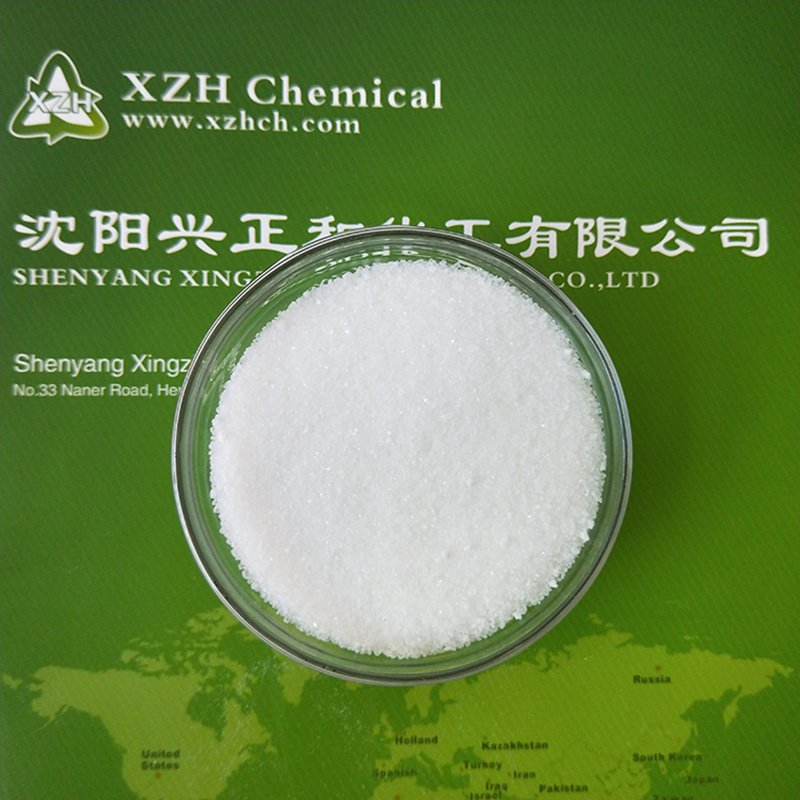
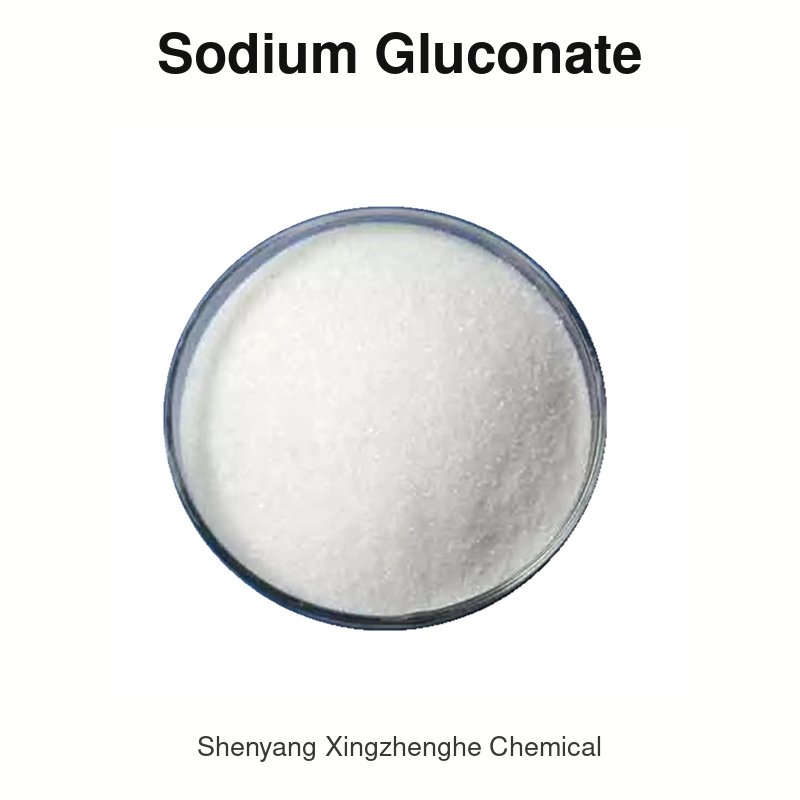
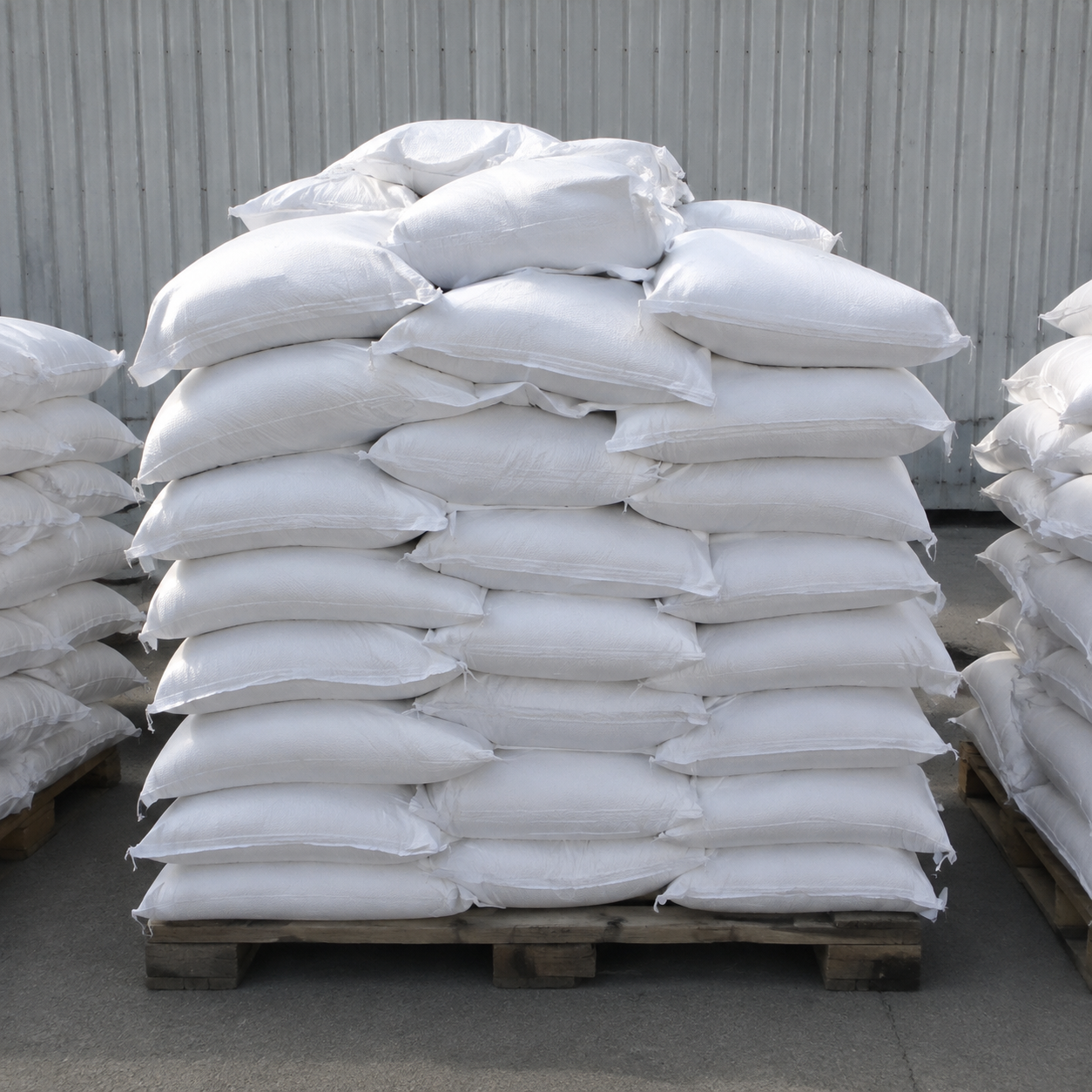
Its chemical formula is C₆H₁₁NaO₇, and industrial-grade sodium gluconate is commonly supplied as a white crystalline powder or granule.
One of the most important characteristics of sodium gluconate is its ability to interact with various metal ions. In cementitious systems, it can also influence cement hydration, making it useful as a retarding and formulation component in concrete admixtures.
However, sodium gluconate should not be treated as a universal additive with a fixed dosage.
Its performance depends strongly on the application, concentration, cement composition, temperature and other chemicals present in the formulation.
What Is Sodium Gluconate?
Sodium gluconate is the sodium salt of gluconic acid.
It is highly soluble in water and is valued in industrial applications particularly for its chelating and complexing behavior toward various metal ions.
Depending on the formulation, sodium gluconate may be used for:
- Concrete admixtures
- Cement retardation
- Industrial cleaning
- Water treatment
- Metal surface treatment
- Chelating applications
- Various industrial chemical formulations
Among these applications, concrete admixtures represent an important industrial use of sodium gluconate.
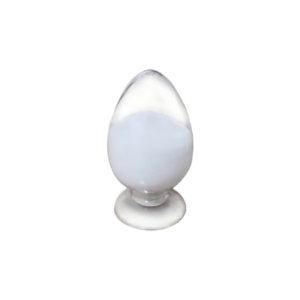
sodium gluconate
What Does Sodium Gluconate Do in Concrete?
In concrete and cementitious systems, sodium gluconate is commonly used as a retarding component.
When used at an appropriate dosage, it can influence early cement hydration and extend setting time.
This can be useful in applications such as:
- Ready-mix concrete
- Concrete transported over longer distances
- Hot-weather concreting
- Mass concrete
- Concrete requiring extended working time
- Formulated polycarboxylate superplasticizer admixtures
Sodium gluconate may also influence workability retention in certain concrete admixture formulations.
The actual effect depends on the cement and admixture system.
Why Is Sodium Gluconate Used as a Concrete Retarder?
Cement hydration begins immediately after cement comes into contact with water.
Sodium gluconate can interact with calcium ions and influence reactions occurring during the early stages of cement hydration.
This can delay the formation of certain hydration products and consequently extend the setting time.
The retarding effect is influenced by factors including:
- Sodium gluconate dosage
- Cement mineral composition
- Cement fineness
- Temperature
- Water-to-binder ratio
- Supplementary cementitious materials
- Other chemical admixtures
For this reason, the same sodium gluconate dosage may produce different results with different cement types.
Sodium Gluconate and Polycarboxylate Superplasticizer
Sodium gluconate is frequently used together with Polycarboxylate Superplasticizer (PCE) in formulated concrete admixtures.
However, the two materials perform different functions.
Polycarboxylate Superplasticizer
PCE is primarily used to:
- Disperse cement particles
- Reduce water demand
- Increase concrete fluidity
- Control workability characteristics
Sodium Gluconate
Sodium gluconate is mainly used to:
- Influence cement hydration
- Extend setting time
- Provide a retarding effect
- Assist certain workability-retention formulations
This means sodium gluconate is not a replacement for PCE.
Instead, it can be used as one component of a formulated concrete admixture.
Sodium Gluconate for Ready-Mix Concrete
Ready-mix concrete must maintain suitable workability during batching, transportation, pumping and placement.
High ambient temperatures or long transportation times can accelerate workability loss and shorten the available construction window.
A properly designed retarding system can help manage these conditions.
Sodium gluconate can be incorporated into certain ready-mix concrete admixture formulations to adjust setting behavior.
However, dosage should always be determined by testing with the actual cement, aggregates and admixture system.
Sodium Gluconate for Hot-Weather Concrete
Temperature has a significant influence on cement hydration.
During hot weather, cement hydration generally accelerates, which may lead to faster setting and increased workability loss.
Retarding components such as sodium gluconate can be considered when formulating admixtures for these conditions.
The correct dosage depends on:
- Ambient temperature
- Concrete temperature
- Cement type
- Transportation time
- Target setting time
- PCE formulation
- Required strength development
Simply increasing the amount of sodium gluconate without testing is not recommended.
Sodium Gluconate in Mass Concrete
Mass concrete requires careful management of hydration, placement and temperature development.
Because sodium gluconate can delay early cement hydration, it may be considered as part of an admixture system where extended working time is required.
However, sodium gluconate alone should not be regarded as a complete solution for controlling mass-concrete temperature.
Other factors remain important, including:
- Cement content
- Supplementary cementitious materials
- Concrete temperature
- Placement method
- Cooling measures
- Curing conditions
Mass concrete should therefore be treated as a complete mix-design and construction system.
How Much Sodium Gluconate Is Used in Concrete?
There is no universal sodium gluconate dosage suitable for every concrete formulation.
This is particularly important because sodium gluconate can have a significant effect on setting behavior even at relatively low dosage levels.
The appropriate dosage depends on:
- Cement composition
- Cement content
- Temperature
- Required setting time
- PCE type and dosage
- Fly ash or slag content
- Water-to-binder ratio
- Concrete application
Laboratory trials should therefore be conducted before the final dosage is determined.
Can Too Much Sodium Gluconate Cause Problems?
Yes.
More sodium gluconate does not necessarily mean better concrete performance.
Excessive dosage may lead to an undesirably long setting time and can affect early strength development.
Depending on the concrete system, overdosing may create difficulties in construction scheduling and finishing operations.
For this reason, sodium gluconate should be treated as a dosage-sensitive functional additive.
The objective is to determine the amount required for the target performance rather than simply maximizing the dosage.
Why Does Sodium Gluconate Behave Differently with Different Cements?
Cement is not chemically identical from one plant or region to another.
Differences can exist in:
- C₃A content
- C₃S content
- Sulfate balance
- Alkali content
- Cement fineness
- Gypsum form
- Supplementary cementitious materials
These factors influence hydration behavior and can change the response to sodium gluconate.
This explains why a concrete admixture formulation working successfully with one cement may need adjustment when a different cement is introduced.
Sodium Gluconate as a Chelating Agent
Concrete is not the only important application for sodium gluconate.
The gluconate ion can interact with various metal ions and form soluble complexes.
This chelating behavior is useful in industrial formulations where metal-ion control is required.
Depending on the system, sodium gluconate can interact with ions such as calcium, iron and other metals.
This property supports its use in industrial cleaning, water treatment and metal-related processes.
Sodium Gluconate in Water Treatment
Sodium gluconate can be used as a functional component in certain industrial water-treatment formulations because of its ability to complex metal ions.
Potential functions can include:
- Metal-ion complexation
- Supporting scale-control formulations
- Cleaning applications
- Stabilization of certain aqueous systems
However, water-treatment performance depends heavily on water chemistry.
Important factors include:
- Water hardness
- Calcium concentration
- Magnesium concentration
- Iron content
- pH
- Temperature
- Other treatment chemicals
Sodium gluconate should therefore be evaluated as part of the complete water-treatment formulation.
Sodium Gluconate in Industrial Cleaning
Industrial cleaning is another application where the chelating properties of sodium gluconate can be useful.
It can be incorporated into certain alkaline or formulated cleaning products to help control metal ions and deposits.
Applications may include cleaning of industrial equipment and metal surfaces.
The complete cleaning formulation may also contain:
- Surfactants
- Alkaline builders
- Other chelating agents
- Corrosion-control components
- Additional functional additives
Therefore, sodium gluconate normally functions as one part of a broader cleaning formulation rather than as a complete cleaning agent by itself.
What Specifications Should Buyers Check?
Industrial sodium gluconate should be evaluated using more than product appearance alone.
Important specifications may include:
Purity
Assay or purity is one of the primary parameters for evaluating sodium gluconate.
Industrial products are commonly supplied according to a specified minimum assay.
Moisture
Moisture affects product storage, handling and actual active-material content.
pH
The pH of a specified aqueous solution can be useful when evaluating product consistency and formulation compatibility.
Chloride
Chloride content can be particularly important in applications involving metals or reinforced concrete.
Sulfate
Sulfate is another impurity commonly controlled in product specifications.
Heavy Metals
Depending on the intended application and applicable standard, heavy-metal limits may also be relevant.
Sodium Gluconate 98%: What Does It Mean?
“Sodium Gluconate 98%” is a commonly encountered commercial description.
However, buyers should not evaluate a product solely from the stated percentage.
It is also useful to examine:
- Test method
- Moisture
- Chloride
- Sulfate
- Reducing substances
- Appearance
- Solubility
- Batch consistency
For concrete admixture producers, actual performance with cement and PCE may be more important than a small difference in a single laboratory parameter.
Sodium Gluconate vs Sodium Citrate
Sodium gluconate and sodium citrate are both organic sodium salts with metal-ion complexing properties.
However, they have different molecular structures and can behave differently in cement, cleaning and aqueous formulations.
They should therefore not be assumed to be interchangeable on a one-to-one dosage basis.
When considering a replacement, formulation testing should be performed.
How to Select Sodium Gluconate for Concrete Admixtures
For concrete applications, buyers should consider both product specifications and actual cement performance.
A practical evaluation may include:
- Checking product assay and impurities
- Evaluating solubility
- Testing compatibility with the PCE formulation
- Measuring initial cement paste or mortar flow
- Measuring flow retention
- Testing initial and final setting time
- Conducting concrete slump tests
- Evaluating early and later-age strength
This provides a more complete picture than comparing COA values alone.
Why Application Testing Matters
Sodium gluconate is a formulation-sensitive raw material.
A technical data sheet can provide useful basic information, but it cannot fully predict performance in every concrete, cleaning or water-treatment system.
For concrete admixture applications in particular, testing with the actual cement and PCE formulation is important.
A practical selection process should therefore combine:
product specification + compatibility testing + application testing + production verification.
Conclusion
Sodium gluconate is a versatile functional raw material used in concrete admixtures, industrial cleaning, water treatment and metal-ion complexing applications.
In concrete, it is particularly valued as a retarding component and can be used together with polycarboxylate superplasticizers in formulated admixture systems.
In other industrial applications, its ability to interact with metal ions supports its use as a chelating and formulation component.
However, sodium gluconate performance depends on dosage, formulation, raw materials and application conditions.
For this reason, selecting sodium gluconate should involve both technical specification review and practical application testing rather than relying on purity or price alone.