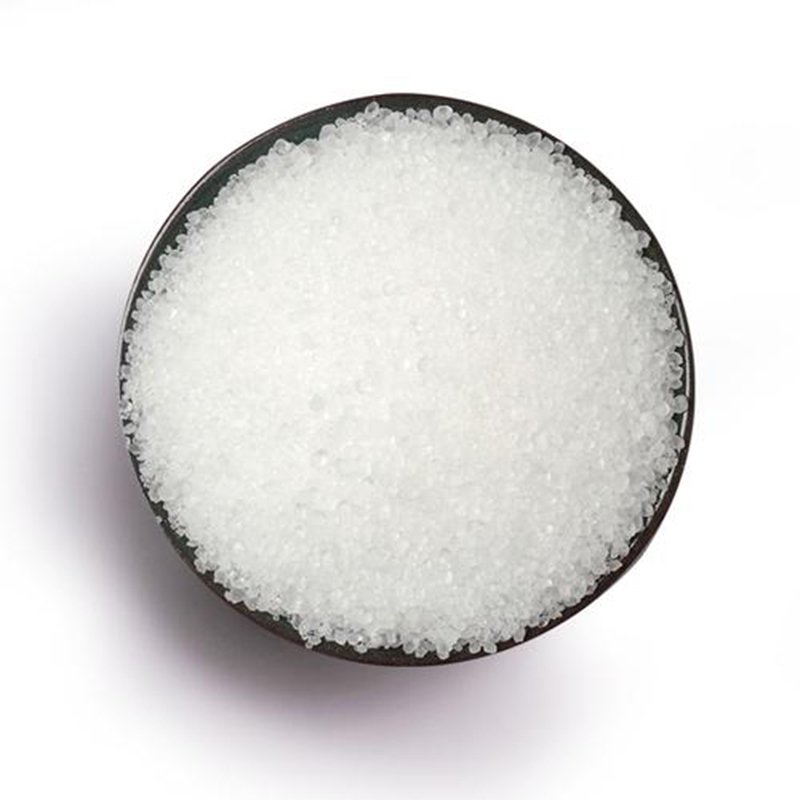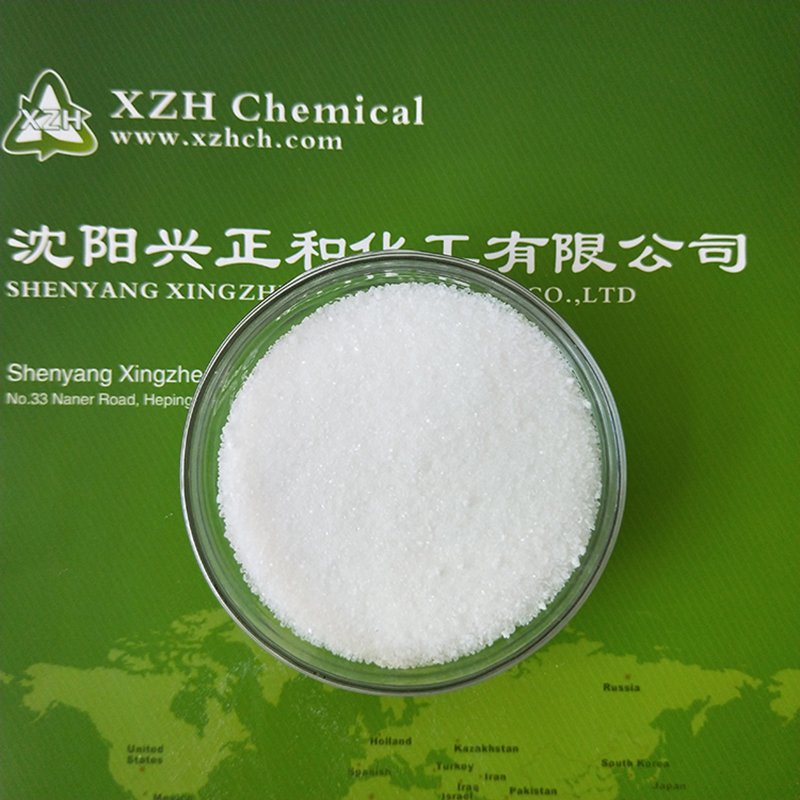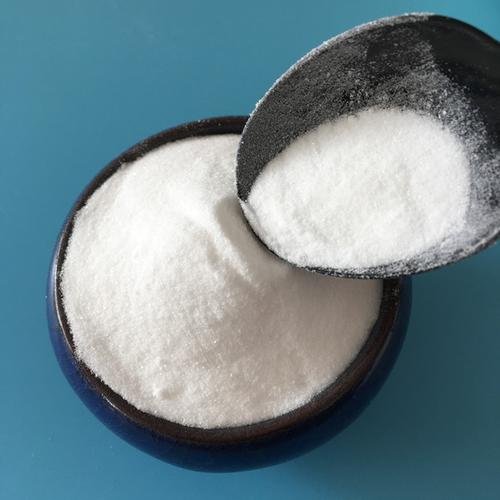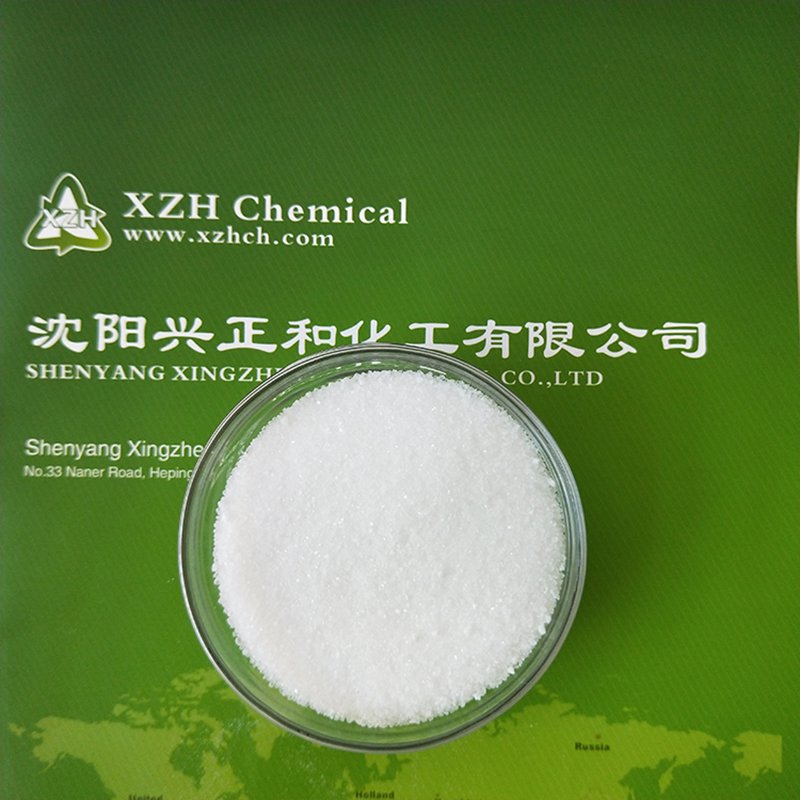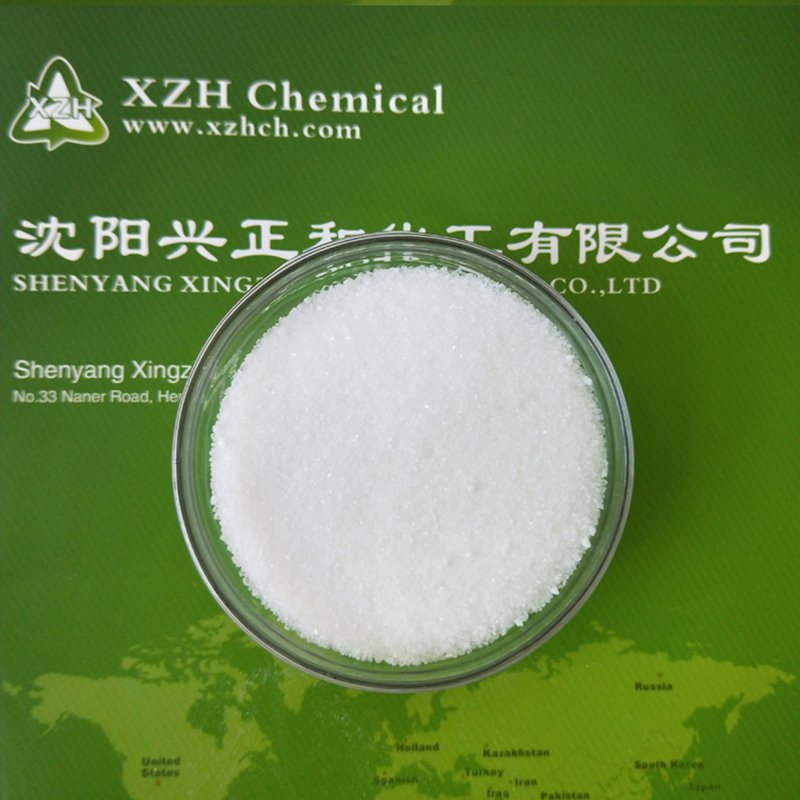
Sodium Gluconate is an organic acid salt compound produced from glucose through fermentation or catalytic oxidation processes. In the concrete admixture field, sodium gluconate is widely used as a retarding component. In other industrial scenarios, it also offers chelating, dispersing, and corrosion-inhibiting properties.
Product Basic Characteristics
Sodium gluconate appears as a white or off-white crystalline powder or granule. It is readily soluble in water, producing a weakly alkaline solution. Its molecular structure contains multiple hydroxyl groups and a carboxylate group, providing the following performance characteristics:
-
Retarding Effect: Sodium gluconate can adsorb onto the surface of cement particles, delaying the induction period of cement hydration and thus postponing setting time.
-
Chelating Ability: It exhibits good chelation with various metal ions such as calcium, iron, and copper, making it useful for water hardness adjustment or metal surface treatment.
-
Dispersing Performance: In some systems, it can assist in improving the dispersion state of solid particles.
-
Biodegradability: Sodium gluconate is a biodegradable organic compound that decomposes relatively easily in the natural environment.
Applications in Concrete Admixtures
Sodium gluconate is a common functional component in concrete retarders and retarding-type water reducers. Its main functions include:
Delaying Setting Time. Under high-temperature construction conditions or for long-distance transportation, adding sodium gluconate helps maintain concrete in a workable state over an extended period, reducing quality risks caused by excessively rapid setting.
Maintaining Slump. By inhibiting the early hydration rate of cement, sodium gluconate can assist in preserving concrete fluidity over time, reducing slump loss during transport and waiting periods.
Regulating Hydration Heat Release. In mass concrete, delaying the initial heat release rate of cement hydration helps lower the peak internal temperature rise, reducing the likelihood of thermal cracking.
Combination with Other Admixtures. Sodium gluconate can be used together with polycarboxylate superplasticizers, naphthalene-based superplasticizers, and others to formulate composite admixture systems with retarding effects.
Other Industrial Application Areas
Beyond concrete admixtures, sodium gluconate is also suitable for the following industrial scenarios:
-
Metal Surface Treatment: Used as a chelating agent in steel surface cleaning, rust removal, and anti-corrosion treatments.
-
Industrial Cleaners: Functions as an auxiliary agent in glass bottle washing and metal degreasing formulas, helping to disperse calcium and magnesium deposits.
-
Water Treatment: Applied in recirculating cooling water systems to assist in controlling scale formation.
-
Textile and Dyeing: Can serve as a complexing agent to improve dyeing uniformity.
-
Construction Gypsum: Assists in regulating setting time in gypsum-based materials.
Technical Data Reference (Typical Range)
| Parameter | Typical Range | Description |
|---|---|---|
| Appearance | White or off-white crystalline powder | —— |
| Content (%) | ≥ 98.0 | Common standard for industrial grade |
| Loss on Drying (%) | ≤ 1.0 | —— |
| pH Value (1% solution) | 6.0 – 8.0 | —— |
| Chloride (Cl, %) | ≤ 0.05 | Important for certain industrial uses with chloride restrictions |
| Sulfate (SO₄, %) | ≤ 0.05 | —— |
| Reducing Sugars (%) | ≤ 0.5 | Calculated as glucose |
Note: The above data represent typical performance ranges for industrial grade sodium gluconate. Different manufacturers and product specifications may vary. Please refer to specific batch test reports for accurate values.
Usage Recommendations for Concrete
-
Recommended Dosage: When used alone as a retarding component, the typical dosage ranges from 0.02% to 0.10% of the cementitious material weight. The exact dosage should be determined through trials based on ambient temperature, transport distance, cement type, and construction requirements. Excessive dosage may lead to over-retardation or delayed early strength development.
-
Addition Method: Can be added together with mixing water into the concrete mixer, or pre-dissolved before use, to facilitate uniform dispersion in the system.
-
Compatibility with Cement: Adsorption behavior varies among different cement brands and batches. Setting time tests are recommended before formal use.
-
Temperature Considerations: At lower temperatures, the retarding effect of sodium gluconate becomes more pronounced, and the dosage may be appropriately reduced.
Packaging and Storage
-
Packaging Forms: Commonly available in 25kg paper-plastic composite bags or woven bags with polyethylene liners. Ton bags or custom packaging can also be provided upon request.
-
Storage Conditions: Recommended storage in a cool, dry, well-ventilated indoor environment away from moisture and direct sunlight. As the product is hygroscopic, containers should be sealed promptly after opening.
-
Storage Period: Under recommended conditions, the typical storage period for unopened products is 12 months.
For product technical data sheets (TDS) or application recommendations for specific grades, please contact our technical department. We will provide reference information based on your application scenario.